A Philippine Catholic vicariate has folded renewable energy into its pastoral calendar, elevating clean and affordable power to a mission priority amid an energy crisis.
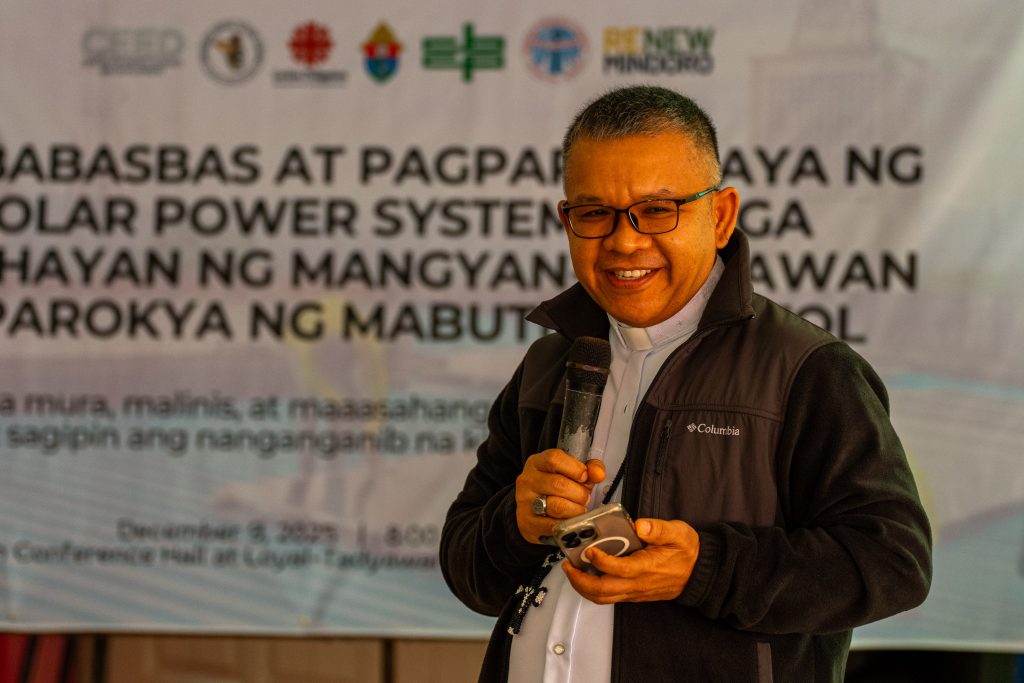
Bishop Mioses Cuevas, apostolic vicar of Calapan and head of the Episcopal Commission on Indigenous Peoples of the Catholic Bishops’ Conference of the Philippines, made the declaration during the Dec. 9 launch of the Renewable Energy Transition Implementation Plan.
“The Church must be a model: parishes lit by the sun, schools powered by solar,” Cuevas said, presenting renewable energy as a concrete expression of faith, service, and responsibility to poor, Indigenous, and environmentally vulnerable communities.
He said the initiative moves beyond technology, framing solarization as a pastoral commitment grounded in ecological conversion, social justice, and the Church’s mission to safeguard life and protect creation.
The two-year plan lays out a phased transition toward renewable energy for parishes, schools, mission areas, and partner communities, integrating energy access into the Church’s long-term pastoral and institutional planning.
Mindoro continues to face high electricity prices, frequent brownouts, and heavy dependence on oil-based power generation, conditions that have disproportionately burdened low-income households, Indigenous peoples, and coastal communities.
Fr. Edwin Gariguez, social action director of the Apostolic Vicariate of Calapan, said the transition depends on sustained collaboration with local governments, public institutions, and financing partners to ensure equitable access to clean energy.
“This transition relies on strong and sustained collaboration with local governments and public institutions, whose policies, programs, and community reach are essential in scaling renewable energy and ensuring that no sector is left behind,” Gariguez said.
He added that the vicariate is engaging financial institutions to support households and facilities that cannot shoulder the upfront costs of installing solar rooftops and renewable energy systems.
Data presented during the launch highlighted Mindoro’s vast but underutilized renewable energy potential, strengthening calls for a shift away from fossil fuels toward clean, locally available power sources.
A Department of Energy Competitive Renewable Energy Zones study estimates Mindoro has 343 megawatts of solar and 710 megawatts of wind potential, totaling 1,053 megawatts, nearly ten times its current electricity demand.
A separate study commissioned by the Center for Energy, Ecology, and Development with Climate Analytics places Mindoro’s total solar and wind potential at 34,750 megawatts, excluding hydro resources and exceeding national power requirements.
The initiative forms part of the Protect Verde Island Passage campaign, which urges Catholic dioceses surrounding the biodiversity-rich marine corridor to develop renewable energy transition plans as a climate and ecological response.
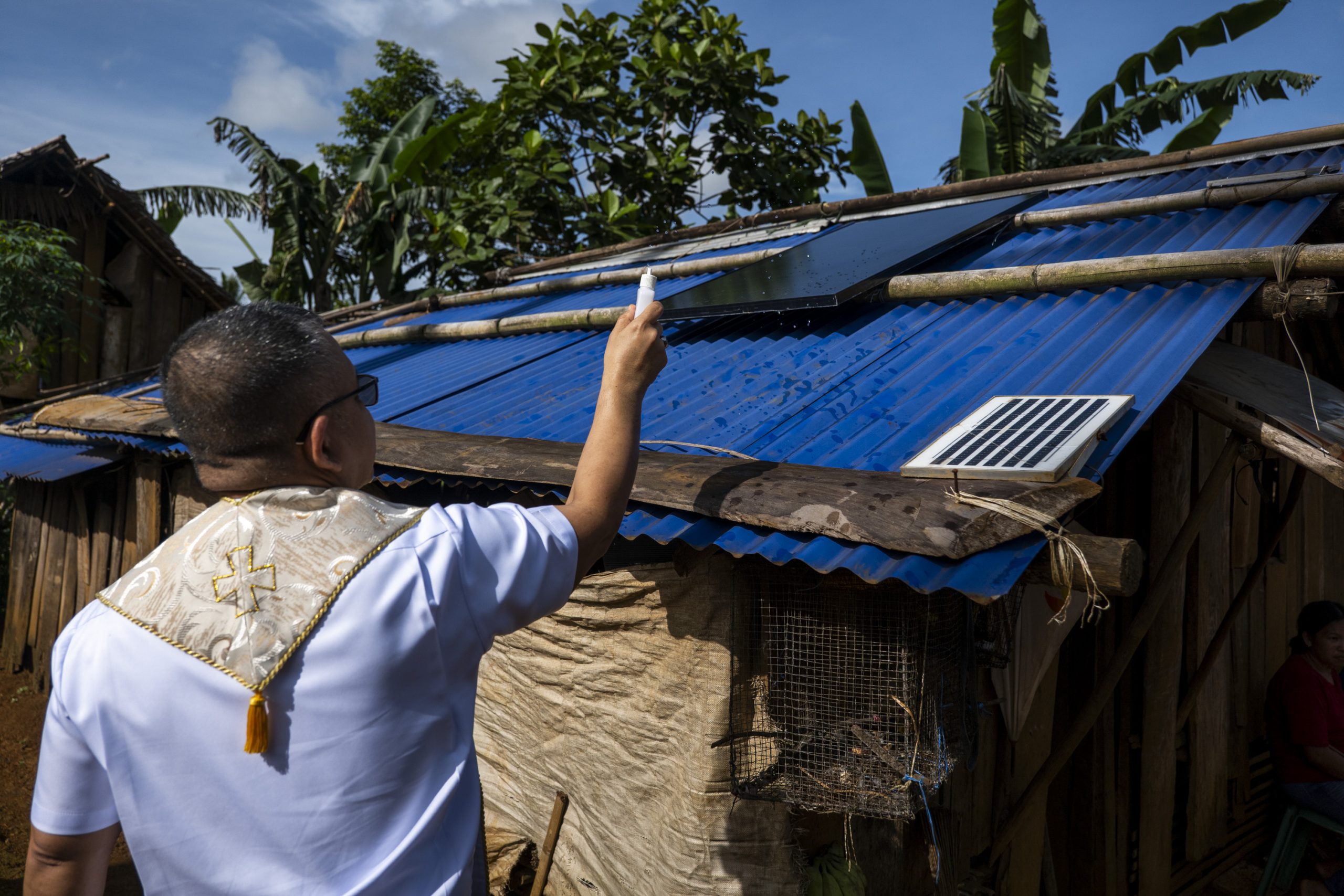
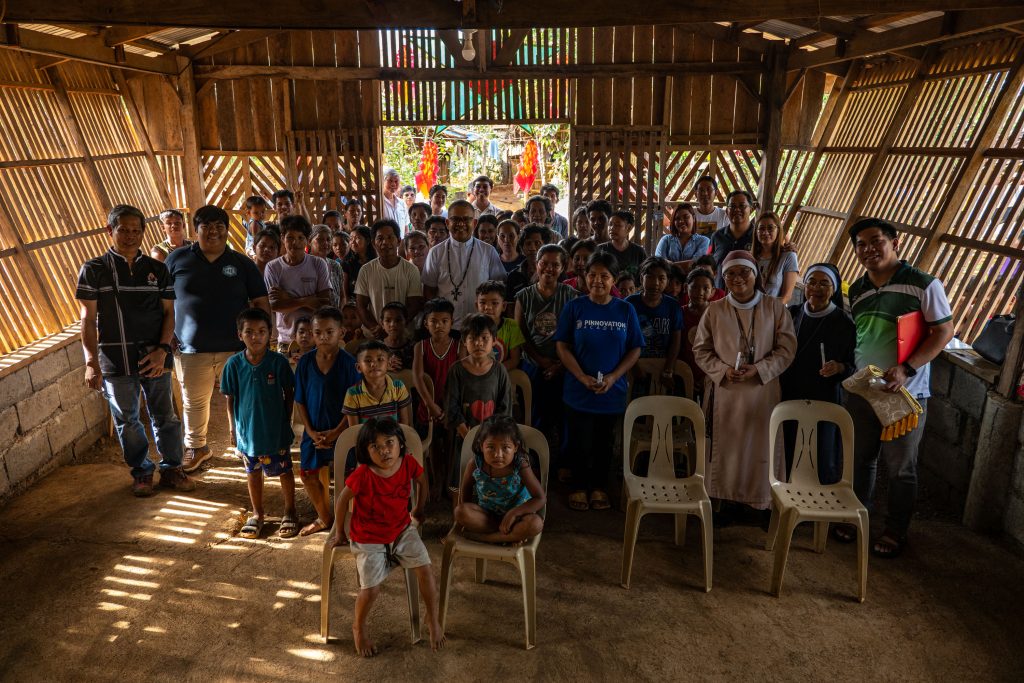
As initial steps, the vicariate commissioned pilot solar systems at Good Shepherd Parish and within the Mangyan Tadyawan Indigenous community in Victoria town, showcasing community-based and people-centered energy solutions.
Indigenous leader Ronnie Sumbad said reliable electricity carries deep social meaning for communities long excluded from basic services and infrastructure.
“Solar power affirms our right to clean and safe energy, something many of us have been denied for generations,” Sumbad said, linking access to power with dignity, safety, and equal opportunity.
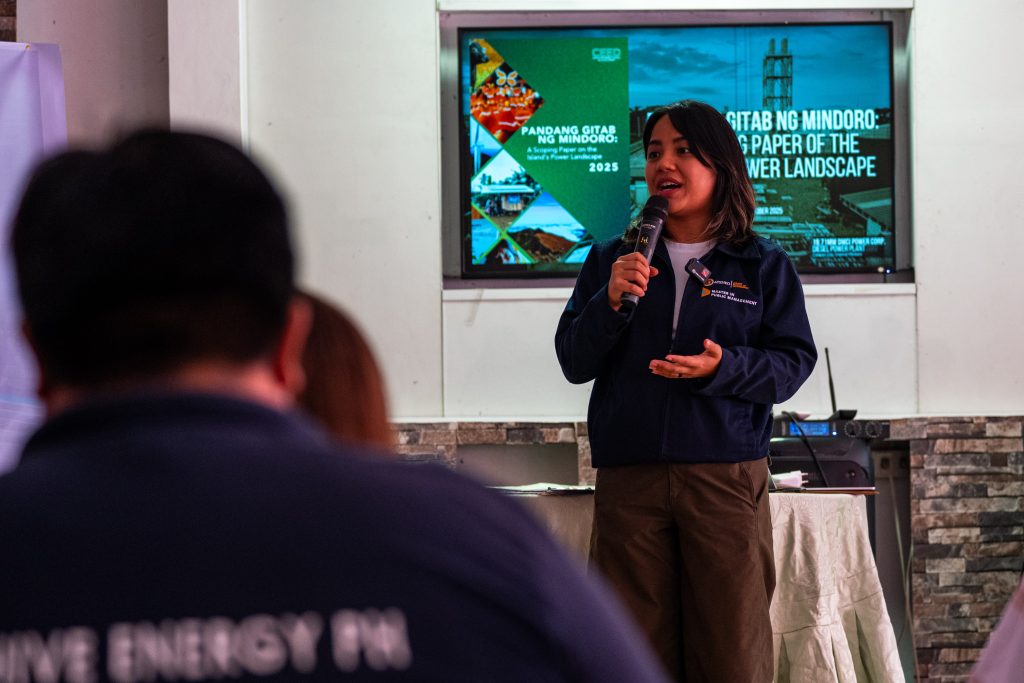
Lawyer Avril De Torres, deputy executive director of CEED, said the Church-led initiative confronts energy systems that have historically marginalized poor communities while damaging ecosystems.
“For far too long, our power systems have left the most marginalized and vulnerable communities behind,” De Torres said, describing the transition as resistance to harmful energy systems and a statement of hope.
The renewable energy rollout coincides with the 75th anniversary of the Apostolic Vicariate of Calapan, grounding the milestone in a forward-looking pastoral commitment to ecological stewardship, social justice, and Indigenous rights.