
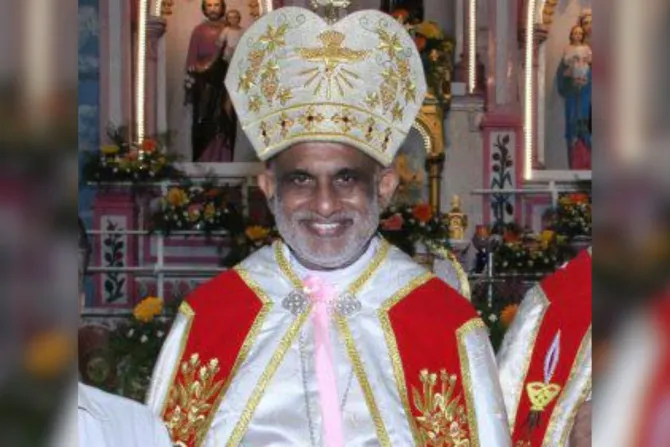
Leaders of the Syro-Malabar Church ended the first session of their 34th Synod with a call to confront declining population growth, large-scale migration, and weakening community ties.
The faith leaders warned that current trends pose long-term risks to the Church in India, Asianews reported.
Meeting at Mount St. Thomas, the Synod issued a post-synodal circular on Jan. 10 announcing a “Year for Strengthening the Community,” according to Major Archbishop Mar Raphael Thattil.
The initiative urges the faithful to respond “courageously” to social, economic, and spiritual challenges.
The circular highlights what Church leaders describe as “reckless migration” to foreign countries, linking it to mounting debt and a diminished Church presence at home.
“The alarming rate of migration to foreign countries by members of the community is leading some to significant debt, while their absence is being felt by the Church in India,” said Thattil.
Synod participants also urged a shift in mindset around employment, encouraging members to see themselves as potential entrepreneurs rather than only job seekers.
The circular noted that despite common claims that agriculture is no longer viable, some dioceses have developed advanced farming models that have generated employment for many people.
Beyond economic concerns, the Synod underscored civic engagement as a moral responsibility. The circular said participation in public administration and politics forms part of the community’s “civic duty,” reminding the faithful that “vigilance is the price of democracy.”
Church leaders said the Year for Strengthening the Community is intended to be a sustained effort to renew public life in light of Christian teaching, not a symbolic observance.
Demographic decline emerged as a central concern in remarks by Fr. Tom Olikkarott, public relations director of the Syro-Malabar Church, in an interview with a Malayalam-language media outlet.
“We must seriously address the declining birth rate. More than just a reduction in our representation, the community is facing the risk of disappearing,” he said.
Fr. Olikkarott linked migration to growing social pressures, noting that “as young people migrate to foreign countries, there is no one left to care for the elderly.” He also cited changing attitudes toward marriage and family life.
“Many of the younger generation do not want to marry and have children. But the family is the fundamental unit of society, and its progressive decline is alarming,” he said.
He added that the Church continues to back families facing financial strain. “We need larger families that promote responsible parenting. The Church has been and remains committed to supporting families struggling to raise their children through various programs and scholarships,” he said.









