Five years after Myanmar’s military seized power on Feb. 1, 2021, the ruling junta appears to be signaling a political shift toward a civilian-led government, even as armed conflict and political divisions continue across the country.
Sources of the Vatican’s Fides News Agency in Myanmar reported that the military is overseeing a transition process that includes elections scheduled in three phases between December 2025 and January 2026.
The process is expected to lead to the formation of a civilian government by April 2026, “albeit one composed of former military personnel who have abandoned their uniforms and now appear in civilian clothing.”
“At the same time, the message directed at the public is one of a desire to normalize national life,” said Joseph Kung, a Catholic educator from Yangon, in statements to Fides.
Kung said the junta has also sought to convey this message symbolically. On the anniversary of the coup, military authorities highlighted the reconstruction of a pagoda in Mandalay that had been destroyed by an earthquake, describing it as “the pagoda that has overcome the crisis.”
“They described it as ‘the pagoda that has overcome the crisis,’ precisely to indicate the transition to a new phase,” Kung said.
He added that no significant events were reported in Yangon on the coup anniversary.
In what Fides described as a gesture aimed at demonstrating a more conciliatory stance, the junta has invited former civil servants who left their posts in 2021 in protest against the military takeover to return to work.
Authorities reportedly promised to remove them from a “blacklist” and reinstate them to their regular positions in the civil service.
However, violence continued elsewhere. In Mandalay, the People’s Defense Forces launched an attack on the army’s Central Military Command during a visit by junta leader General Min Aung Hlaing, according to information from Fides.
Local residents reported hearing a loud explosion from the military complex, although no casualties had been reported as of publication.
“The country remains divided, and fighting continues in some areas,” Kung said. “The People’s Defense Forces are continuing the fight and show no signs of wanting to stop the conflict.”
He noted that in some regions governed by ethnic minorities, calls and messages are beginning to circulate urging an end to the war and negotiations with the military authorities.
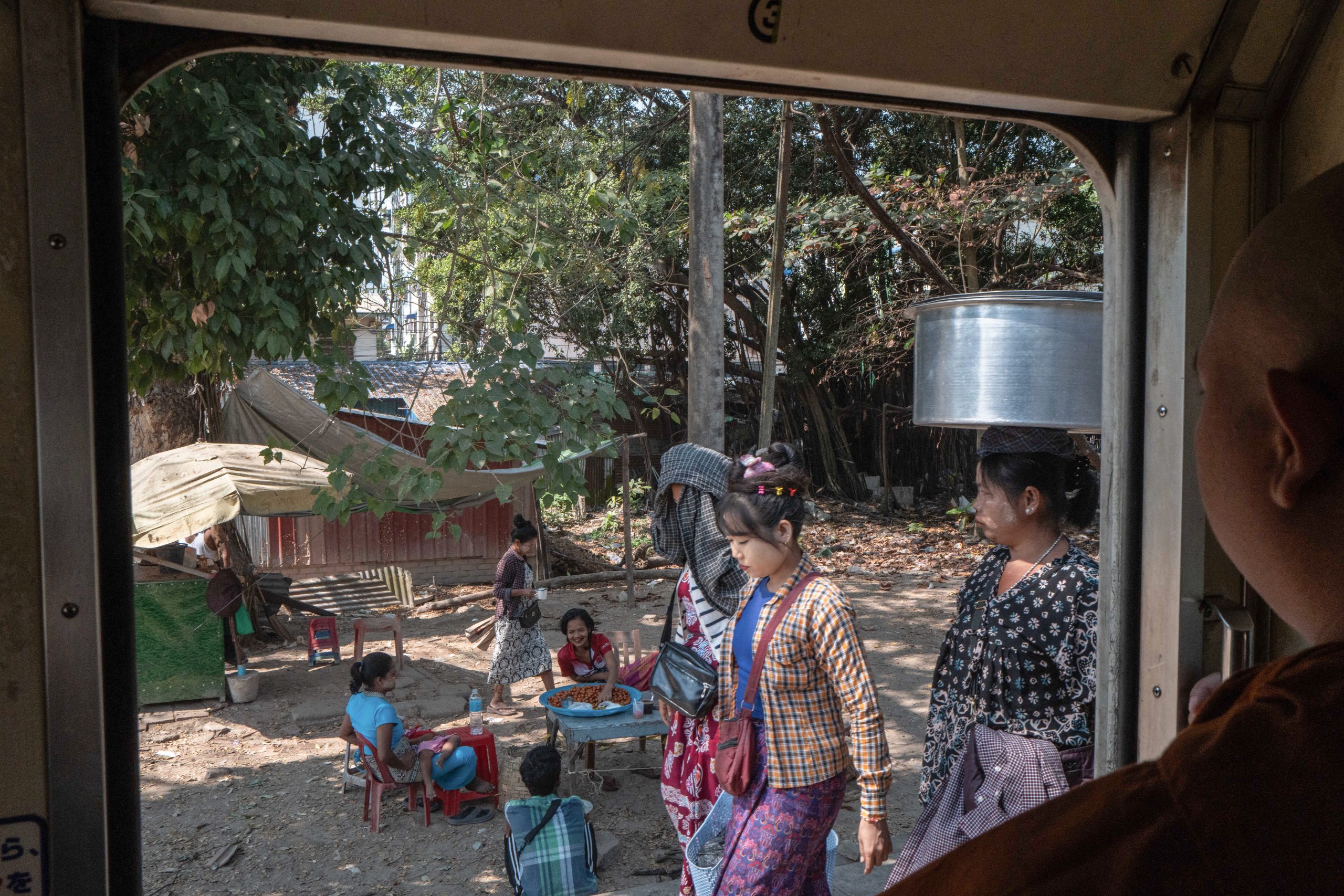
“After five years of conflict, the number of displaced people exceeds 3.5 million; the population is truly exhausted, and there is a very strong desire to return to normal life and resume social and economic activities,” Kung said.