Catholic school leaders across Thailand will gather in August for the 55th annual seminar of the Catholic Education Council of Thailand (CECT), focusing on Gravissimum Educationis as the Church marks the 60th anniversary of the landmark Second Vatican Council declaration on Christian education.
Scheduled for Aug. 16–19, the four-day seminar is expected to bring together around 500 participants, including bishops, priests, religious, and lay administrators who oversee Catholic schools nationwide.
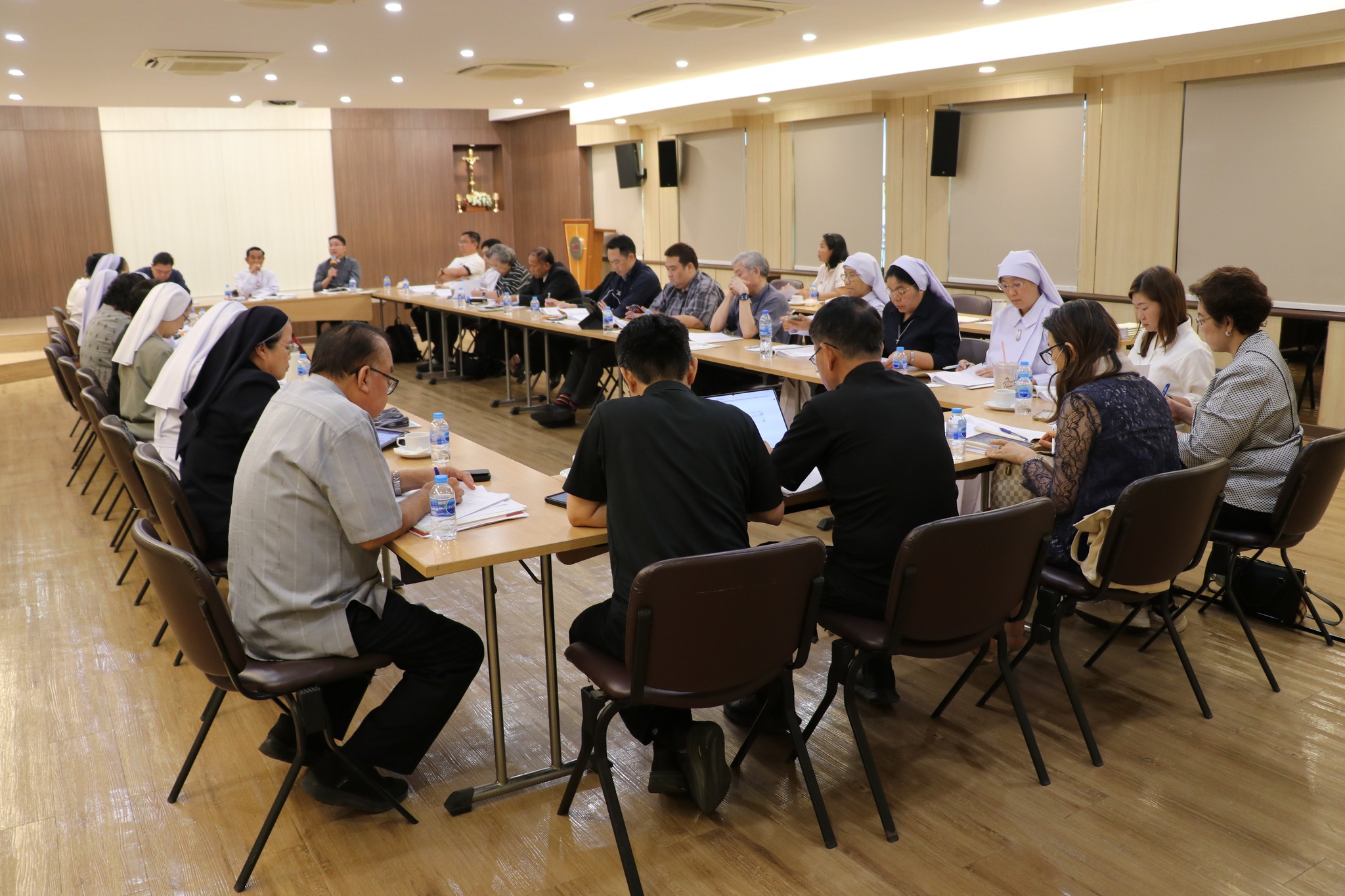
Organizers at their committee meeting on Feb. 19 said this year’s theme invites educators to revisit the Church’s foundational vision of education at a time of rapid social and technological change.
Gravissimum Educationis, promulgated during the Second Vatican Council in 1965, emphasizes education as a fundamental human right and a vital dimension of integral human development.
The document also highlights the irreplaceable role of parents as the primary educators of their children and affirms the Church’s long-standing commitment to the apostolate of education.
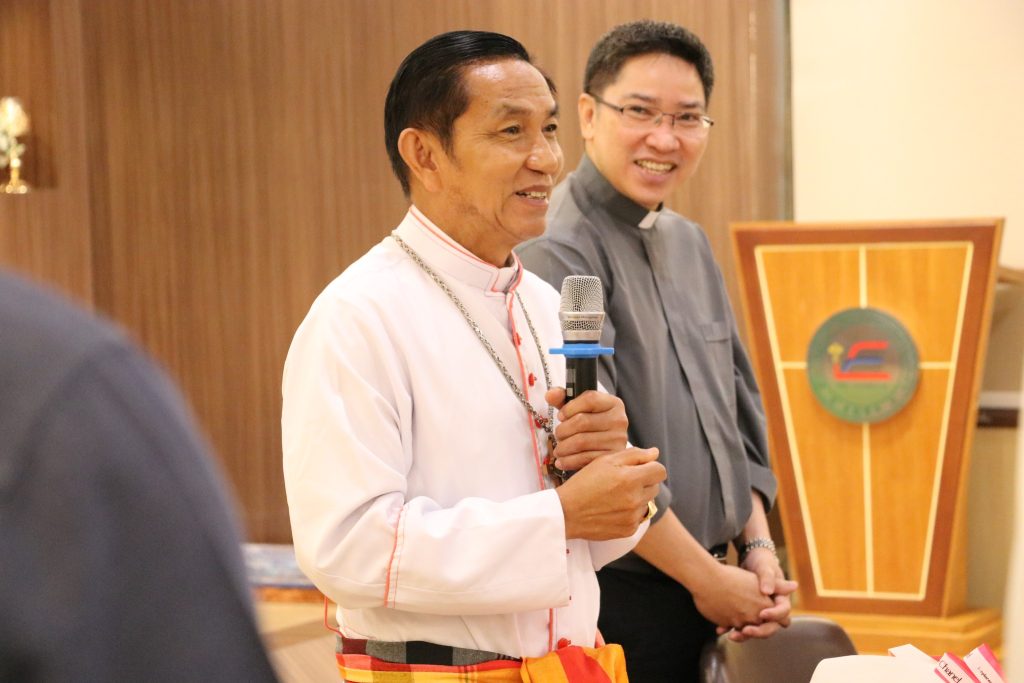
“The declaration reaffirms the Church’s commitment to education, recognizing Catholic schools as one of the Church’s greatest gifts to society,” said Fr. Paul Eakarat Homprathum, secretary-general of CECT. “It encourages educators to create an environment where faith, culture, and life intertwine, fostering holistic growth and development.”
Fr. Eakarat noted that the seminar will also reflect on the recent apostolic letter of Pope Leo XIV, Drawing New Maps of Hope, which underscores the continuing relevance of the council document.
According to Fr. Eakarat, the papal message calls educators to renew their understanding of education as an act of love, liberation, and hope.
“The Holy Father urges us to be witnesses to Christ, embodying the values of compassion, empathy, and kindness,” he said.
Adding to the anticipation, Stephen Boonlert Phromsena, president of CECT, expressed hope for a larger turnout than ever before. He noted that this year’s seminar will offer a different atmosphere, moving from the traditionally hot and humid seaside venue in Pattaya, east of Bangkok, to the cooler and more comfortable mountain setting of Khao Yai National Park in northeastern Thailand.
“In terms of quality, the participants will have the opportunity to reflect, review, and gain a deeper understanding of the depth of Catholic education as it aligns with the Church’s teachings, Gravissimum Educationis,” the bishop said.
“This document is considered the heart and key to Catholic education, and it will also inspire administrators and teachers to strive for quality education while walking together in synodality in fulfilling the Catholic educational mission.”
Building on themes highlighted in previous years, the seminar will continue to include holistic education — the formation of the whole person intellectually, morally, spiritually, and socially — as well as the unique identity and mission of Catholic schools in promoting faith, values, and service.
Sr. Chalermsri Meesri, a member of the central organizing committee, told LiCAS News that this year’s gathering will pay particular attention to three priority concerns highlighted by Pope Leo XIV and seen as especially urgent for today’s learners.
“First is Spiritual Space: how we can help learners find peace of mind and listen to their conscience in a chaotic world,” she explained.
“Second is Digital Balance: how we can use AI and technology in ways that keep learners’ hearts gentle and virtuous.
Third is Bridges of Peace: how we can transform schools into spaces of reconciliation and friendship rather than places of competition and division.”
Participants will attend keynote presentations with Q&A sessions designed to translate these themes into practical strategies for Catholic schools in Thailand.
The seminar also serves as an annual platform for school leaders to update themselves on emerging educational trends and to share best practices in integrating Catholic values into contemporary education.
The stakes are significant. Thailand is home to more than 300 Catholic schools serving approximately 400,000 students. Though a minority within the national education system, Catholic institutions have long been recognized for their contribution to academic excellence, character formation, and social responsibility.
CECT leaders expressed hope that revisiting Gravissimum Educationis six decades after its promulgation will renew the mission of Catholic education in the country.
“In today’s rapidly changing world,” Fr. Eakarat said, “our task is not only to educate minds but also to form hearts — so that our students may grow into persons of wisdom, compassion, and hope for society.”