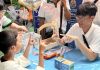

The Diocese of Surat Thani in southern Thailand brought together nearly 100 priests and lay liturgical ministers for a two-day hybrid workshop aimed at strengthening liturgical formation and promoting greater consistency in the celebration of the Catholic liturgy across its parishes.
Held from June 22–23, 2026, the seminar combined in-person and online participation from across the diocese. Organized by the Pastoral Care Department, the initiative sought to deepen participants’ theological understanding and align local parish practices with universal Church directives.
Organizers emphasized that a profound understanding of the liturgy is essential for priests and liturgical ministers alike, ensuring that public worship remains unified, spiritually enriching, and faithful to the norms of the Catholic Church.
A well-celebrated liturgy enables the faithful to encounter the Paschal Mystery more deeply, making Christ’s saving work present within the worshipping community. For Catholics, the Eucharist is the “source and summit of the whole Christian life.”
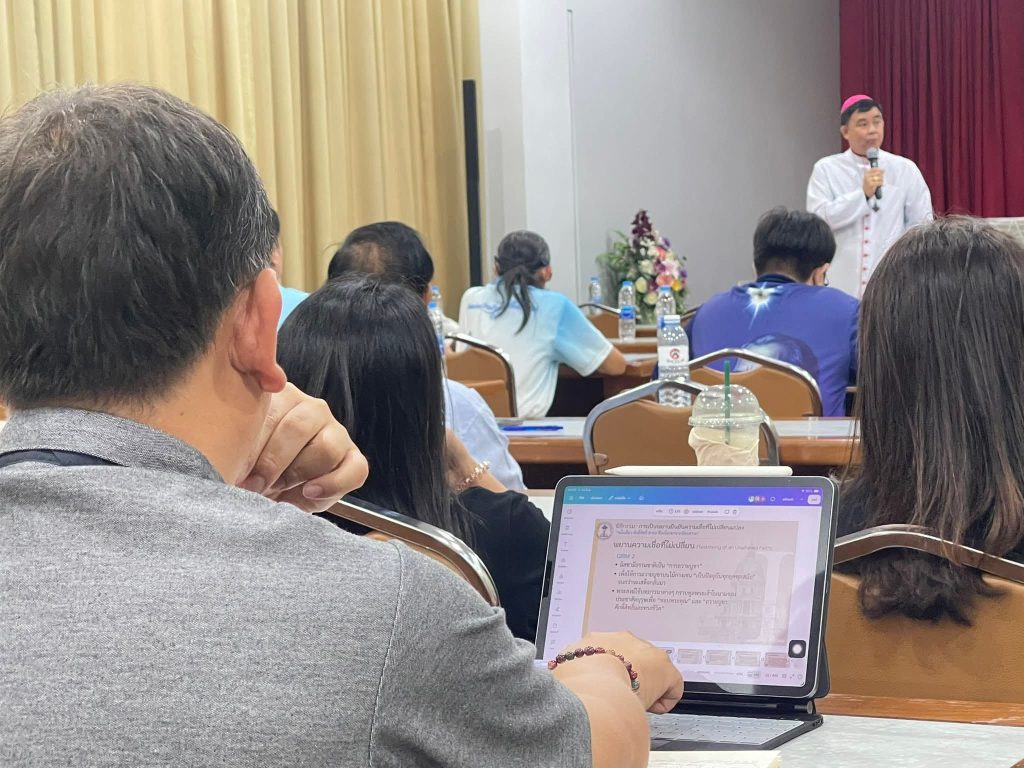
Organized by the Liturgy and Sacraments Section, the seminar sought to equip priests and lay liturgical personnel with the theological foundations and practical skills needed to ensure public worship remains unified, spiritually transformative, and faithful to the Church’s liturgical norms.
Its three principal objectives were to deepen participants’ knowledge of liturgical theology, enhance practical ministerial skills, and establish common standards for liturgical preparation in parishes throughout the diocese.
Particular emphasis was placed on the study of the General Instruction of the Roman Missal (GIRM), the Church’s authoritative guide for celebrating the Mass, and Redemptionis Sacramentum, the Vatican document that provides norms and safeguards for the celebration of the Eucharist.
Throughout the two-day program, participants gathered for morning and evening prayer and celebrated the Holy Sacrifice of the Mass together. The educational sessions were led by diocesan leadership and experienced liturgical experts.
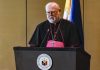
Bishop Paulo Trairong Multree of Surat Thani Diocese presided over the opening ceremony and presented key theological reflections on the Church as “One, Holy, Catholic, and Apostolic,” explaining how these marks express the identity of the Church. He also offered detailed instruction on both the Liturgy of the Word and the Liturgy of the Eucharist.
Father Arkadet Tapping spoke on the concept of “Noble Simplicity,” instructing attendees on the proper decoration and preparation of the altar. He also outlined the specific roles of various ministers, including liturgy directors, altar servers, and masters of ceremonies.
Expanding on these ministries, Father Sittichok Sawaengkan led a session focused on the vital roles of lectors, the choir, and the integration of sacred music.
The seminar concluded with an interactive question-and-answer session, allowing both on-site and online participants to seek clarification and share pastoral experiences.
Bishop Trairong and the panel of priests responded to questions in an open and engaging atmosphere, fostering a common understanding of liturgical practice throughout the diocese.
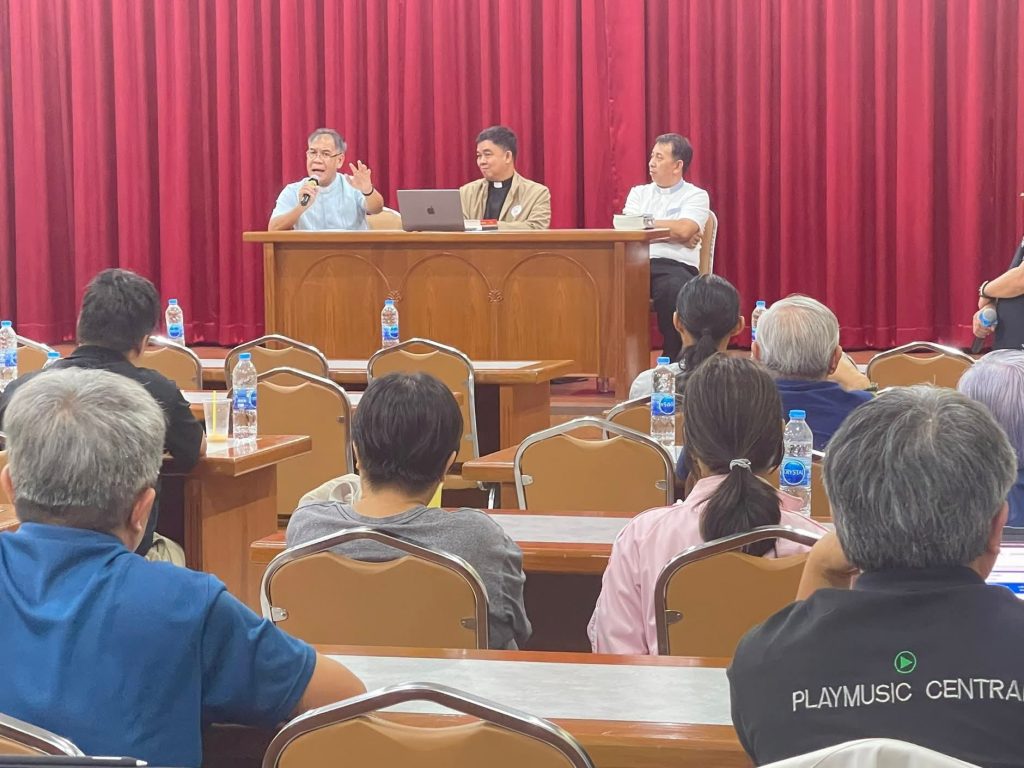
Participants expressed appreciation for the opportunity to deepen their formation.
Father Prasit Kreuasuwan, parish priest of Our Lady of the Rosary Church in Prachuap Khiri Khan Province, described the workshop as highly beneficial for both clergy and lay ministers.
“When we understand the meaning deeply, our expressions make liturgy more dignified and sacred. If the laity understands, they will love it and want to participate every Sunday. Catholic liturgy is universal; it is not something we can alter as we please. This training helps us practice uniformly.”
Ms. Sudawan Saphanachai, a lay representative from St. Michael the Archangel Church in Surat Thani, said the workshop provided valuable knowledge and practical skills.
“I gained the knowledge and skills needed to prepare for liturgical ceremonies correctly and with greater dignity,” she said.
Through continued education and collaboration, the diocese hopes to foster liturgical celebrations that faithfully reflect the universal tradition of the Church while helping the faithful encounter Christ more deeply in the Eucharist.