
Thai Catholic lay leaders have pledged to strengthen efforts to promote priestly and religious vocations nationwide, with a greater focus on parish engagement, synodality and outreach to young people.
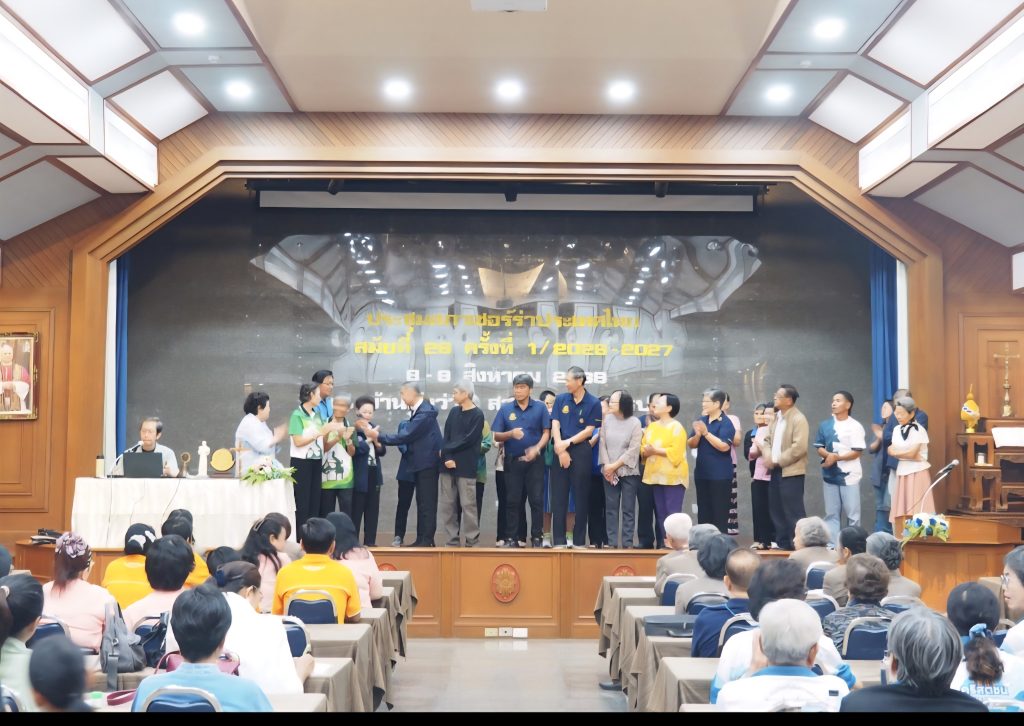
Leaders of the Serra Council of Thailand made the commitment during their annual assembly at the Baan Phu Waan Pastoral Center west of Bangkok on Aug. 8-9.
The gathering brought together representatives from all three Serra districts covering Thailand’s dioceses to review regional progress and outline priorities for the coming year. Delegates emphasized deepening local engagement, fostering synodal participation and expanding youth outreach as part of Serra International’s mission as a global lay apostolate within the Catholic Church.
The national body oversees 28 chartered clubs across Thailand. Beyond providing spiritual and material aid to seminarians and clergy, local clubs organize dedicated liturgies, prayer networks and parish-level support initiatives in close coordination with local chaplains and minor seminaries.
“Local clubs under the Serra Council of Thailand focus deeply on grassroots spiritual support, recognition, and promotion of priestly and religious vocations within their dioceses by working closely with their chaplains and the local minor seminary,” said Mark Niphon Saengpradab, president of the Serra Council of Thailand.
Niphon said the council plans to expand awareness of Serra’s mission at the parish level while strengthening ties between club members and district chaplains.
Embracing a Synodal Culture in Vocational Outreach
The central theme of this year’s meeting was integrating synodal principles into vocational promotion. Joseph Vinij Vasupongpipat, a former board member of Serra International, proposed that the council formally apply synodal processes to its outreach, working in direct coordination with local bishops.
“The application of the Synod focuses on participation,” Vinij told the assembly, highlighting that the Catholic Bishops’ Conference of Thailand places immense value on priestly and consecrated life.
“Serra seminars and conferences are themselves a form of the synodal process—guided by the Holy Spirit to select shared paths that foster unity, implementation, and ultimately, the proclamation of the Good News.”
Vinij underscored that synodality is not a rigid set of rules, but an organizational culture of listening, mutual reflection and co-responsibility that can strengthen every level of lay ministry.
The assembly recommended that Father Peter Chetha Chaiyadej, the council chaplain, take a leading role in encouraging lay faithful to express themselves and participate actively in Church governance and vocational work.
Father Chetha noted that Pope Francis repeatedly called for synodal approaches to balance the complementary roles of clergy and laity. Drawing a parallel to local Basic Ecclesial Communities, or BECs, he emphasized that sustained leadership development and continuous training are essential to maintaining long-term momentum.
Strengthening Parish Integration and Youth Outreach
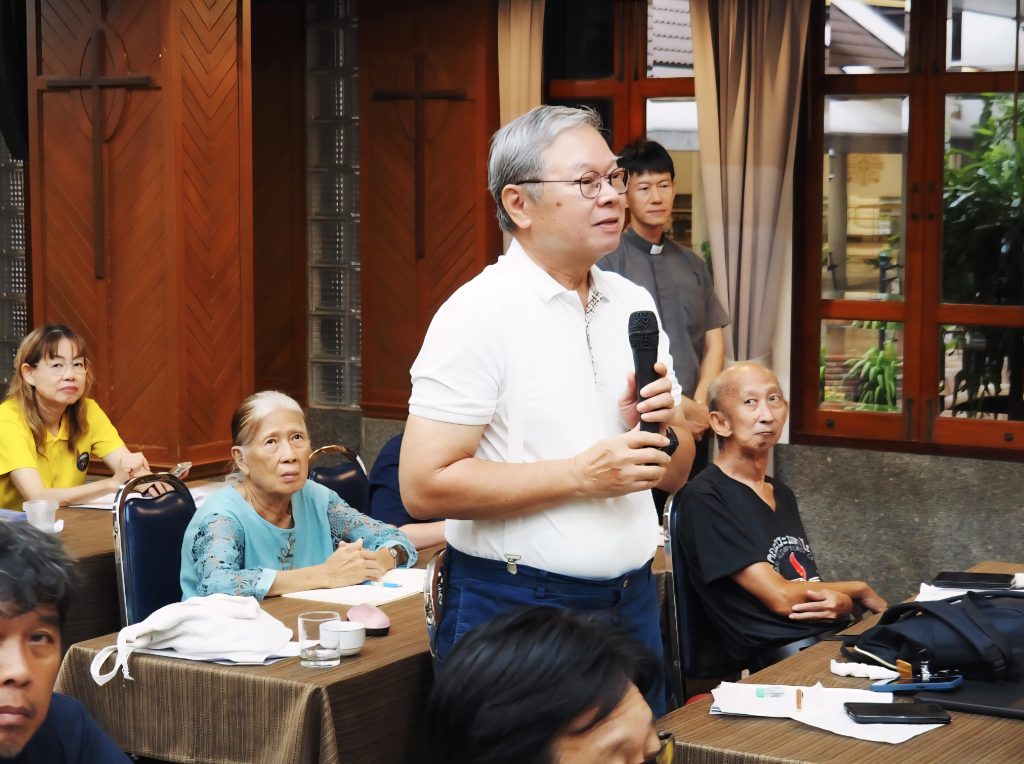
Father Peter Piriya Chaimukdasakul, chaplain of the Serra Club of Fatima and rector of the Tha Rae Minor Seminary in the northeast, called for dedicated vocation leaders within every parish council.
“While the parish priest, as the shepherd, must promote vocations and recruit young people for the seminary, the Serra Club—as an organization with special charisms for vocational work—should be viewed as a vital resource to assist the Church and her priests,” Father Piriya said.
He urged local clubs to go beyond traditional prayer and financial support by developing youth-oriented programs aimed at helping young people discern their callings in the modern world.