

The abandoned bodies of Cambodian soldiers have become a tragic and disturbing aspect of the conflict along the Thai-Cambodian border, sparking alarm among Church leaders, security experts, and local communities.
Bishop Stephen Boonlert Promsena of Ubon Ratchathani, which borders Cambodia, told LiCAS News that the situation worsened after the smell of decomposing bodies was detected near frontline areas where clashes have continued since early this month.
“The strong odor of decaying corpses along the conflict zones has become a major problem,” Bishop Boonlert said. “I’d like to see Cambodia uphold the dignity of fallen troops by retrieving the bodies with respect. Leaving them to decompose not only dishonors the dead but also risks disease.”
Local sources said donation drives were launched for face masks to help villagers and aid workers cope with the stench. Thai authorities have lodged formal protests, warning of potential health risks in border communities.
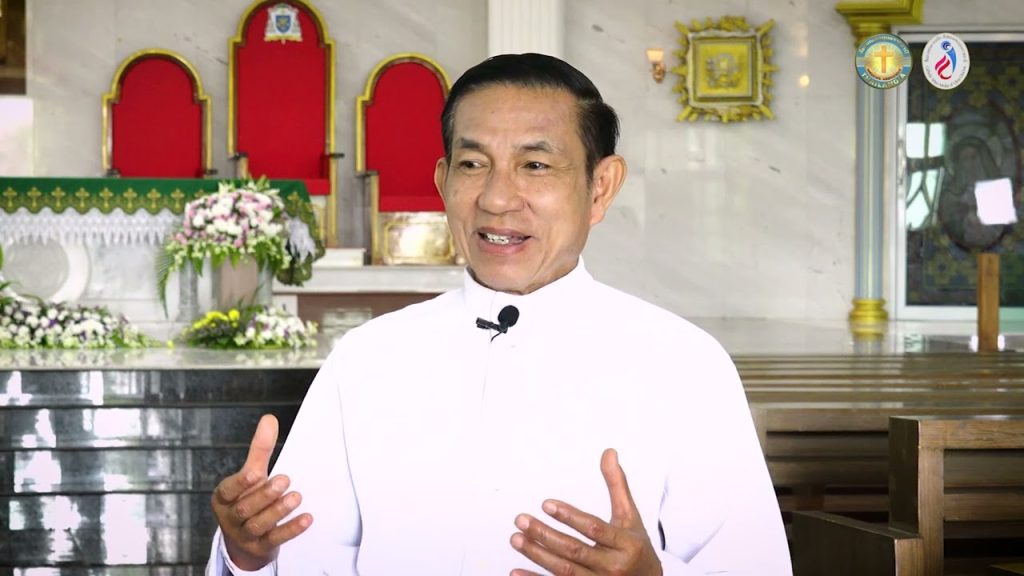
Lt. Gen. Pongsakorn Rodchomphu, former Deputy Secretary-General of Thailand’s National Security Council, blamed Cambodia’s practice on a military doctrine modeled after Russian wartime tactics.
“The Cambodian army has adopted a strategy that focuses exclusively on advancing in battle, without regard for recovering casualties,” he alleged. “Once soldiers are killed, they are simply left behind.”
He added that Cambodia’s authoritarian system reinforces this approach, as leaders seek to maintain power and avoid showing weakness.
“One purpose of abandoning the bodies is to conceal casualty figures and prevent public awareness of the scale of losses, which could undermine morale or erode support for the leadership,” Rodchomphu said.
Meanwhile, humanitarian efforts continue across Ubon Ratchathani, Si Sa Ket, and Buriram, where thousands have been displaced.
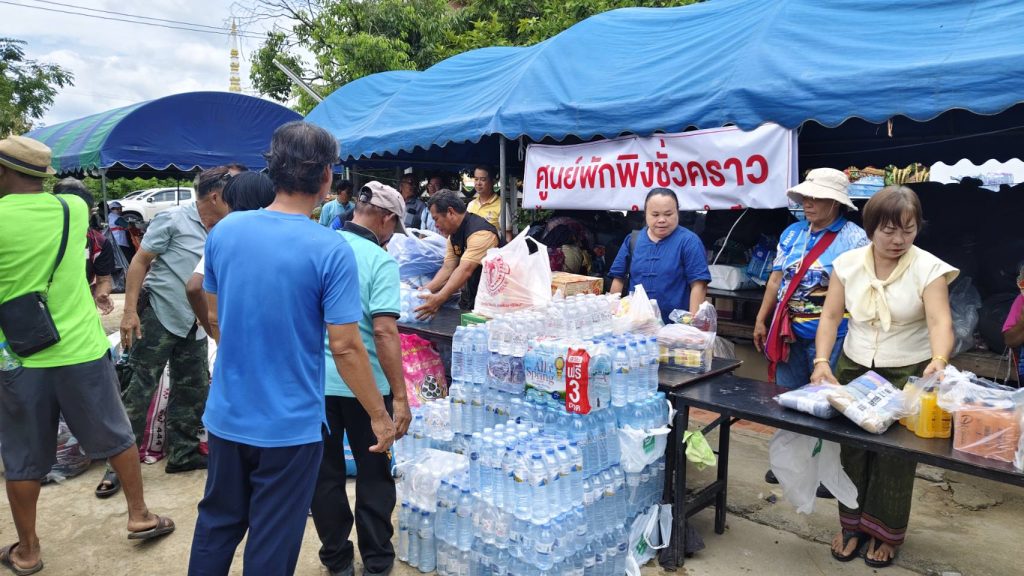
“We continue to offer shelter and relief materials to displaced people—children, women, and the elderly forced to flee their homes,” Bishop Boonlert said. “Overall, the situation remains fragile and tense.”
Thai authorities have stepped up security and coordinated with aid agencies to manage the crisis, despite an unconditional ceasefire agreement reached during peace talks in Malaysia on July 28.









