In a world increasingly fractured by rapid social change and the relentless pressures of modern life, a new bridge of peace is being built from the heart of Bangkok.
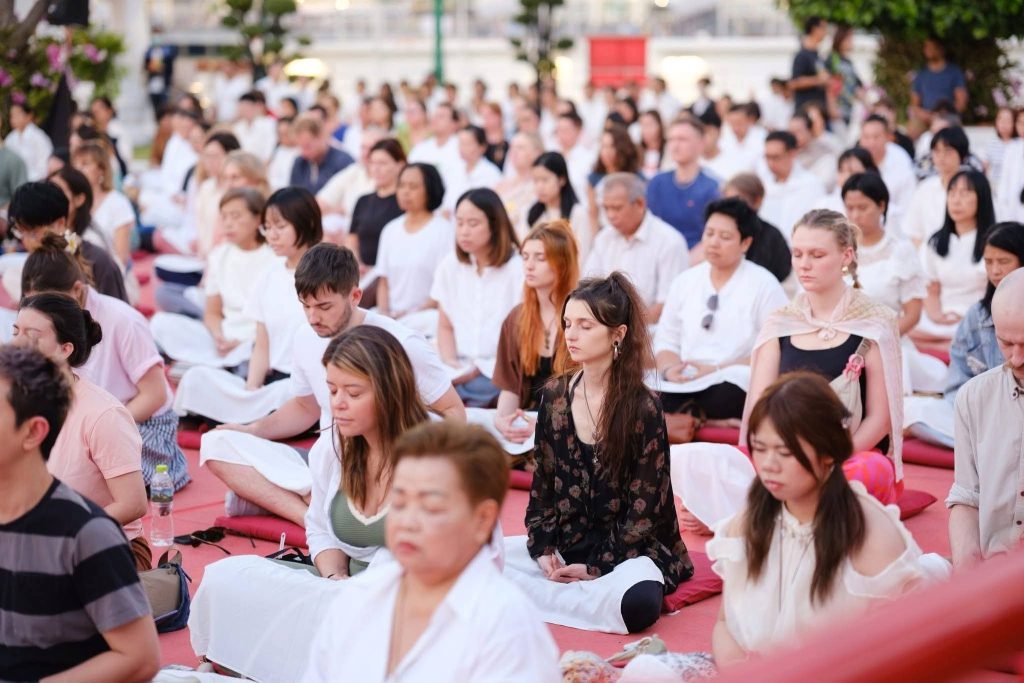
On the evening of Feb. 14—a day traditionally marked by the exchange of roses and heart-shaped stickers among Thai youth—the Department of Religious Affairs (DRA) will launch the Global Meditation Connect (GMC) project at the iconic Wat Arun, the Temple of Dawn.
The initiative, themed “Meditation Connecting the Power of Compassion to the World,” seeks to transform the romantic sentiment of Valentine’s Day into a deeper, universal “loving-kindness.”
By utilizing the serene courtyard of one of Thailand’s most sacred Buddhist sites, the project aims to position meditation as a vital tool for healing, restoring, and strengthening the human spirit across borders and beliefs.
A universal breath for peace

Mr. Chaiyapol Suk-iam, director-general of the DRA, emphasized that the GMC project is designed to be inclusive and accessible.
The practice at Wat Arun will focus on simple breath control, a “creative spiritual format” that transcends age, gender, and specific dogma.
“Meditation will serve as a tool for healing and addressing contemporary challenges such as stress, bullying, and depression,” Mr. Suk-iam stated. “By building self-respect and respect for others, we can reduce social problems and enhance overall mental well-being.”
The DRA plans to expand this vision throughout 2026, integrating nine pilot meditation centers and various international hubs nationwide.
The goal is twofold: to offer tangible benefits such as improved concentration and work efficiency, and to showcase Thailand’s rich cultural heritage as a global destination for spiritual tourism.
A Catholic harmony
While the GMC project is rooted in the Thai cultural landscape, the practice of silence and interiority finds a profound resonance within the Catholic tradition.
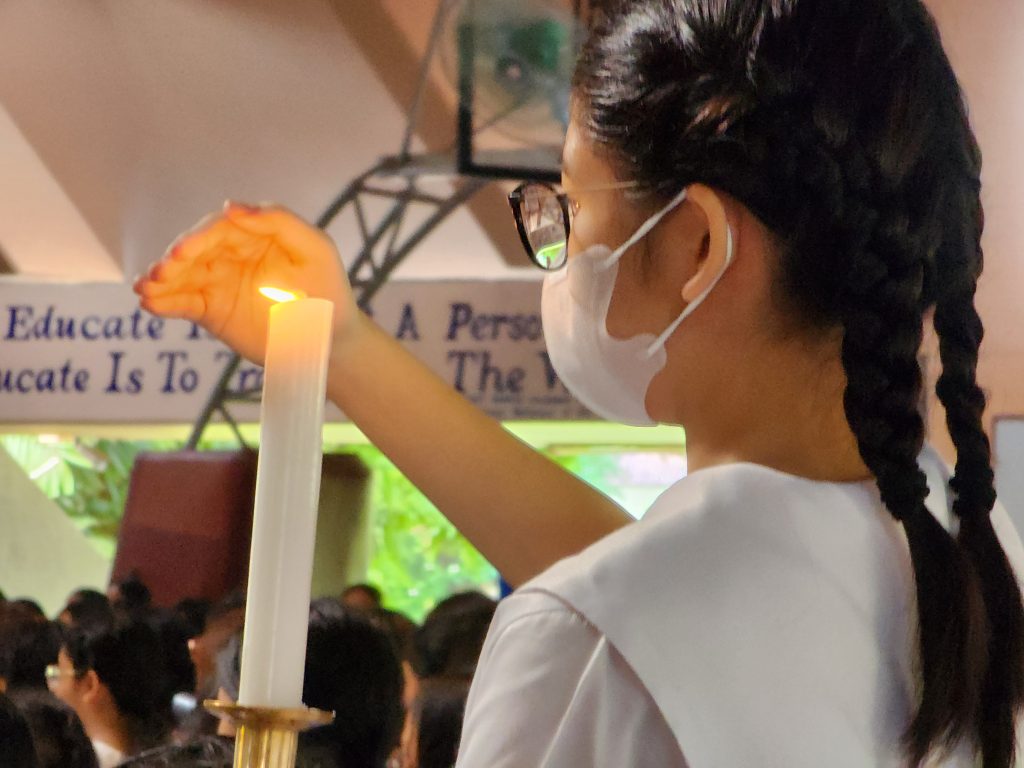
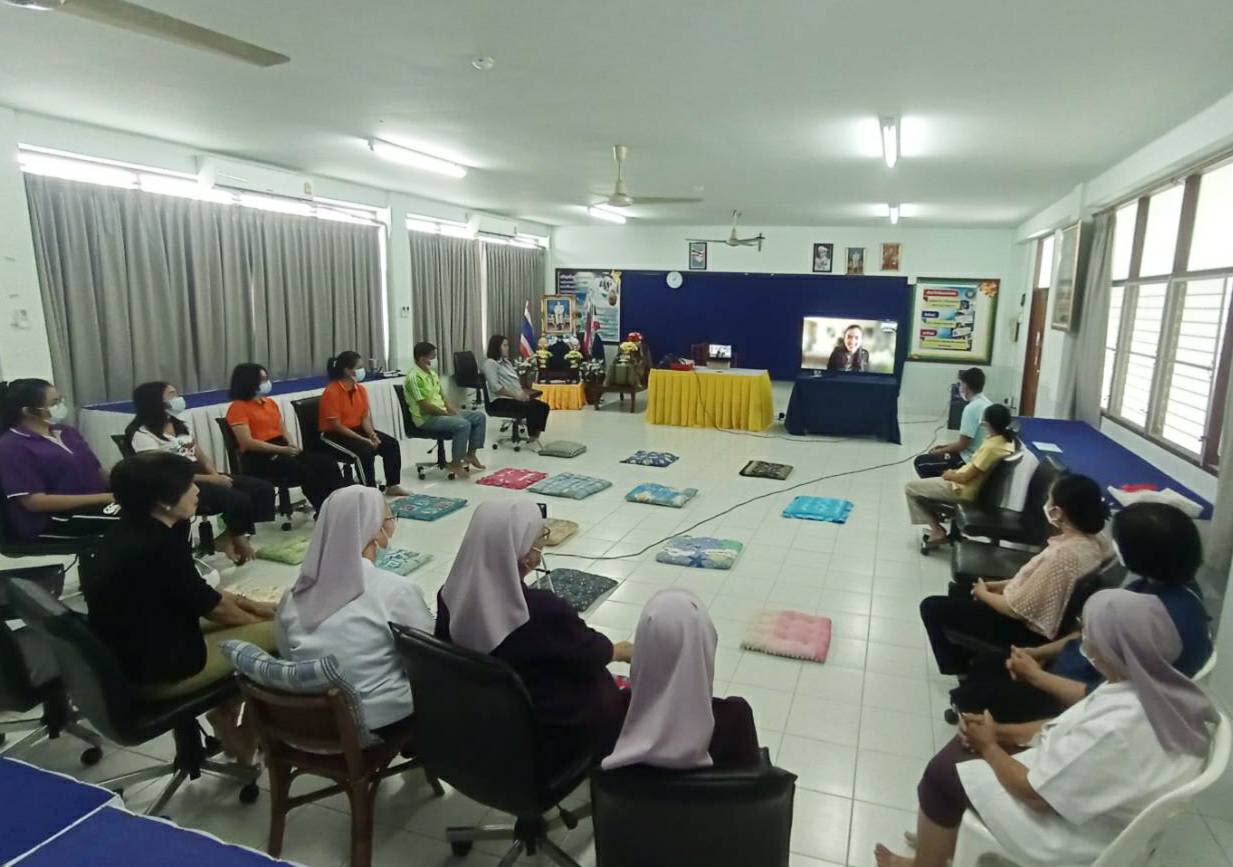
In Thailand and Cambodia, where the student population is predominantly Buddhist, Catholic educators have long recognized meditation as a “natural extension of prayer,” a perspective solidified by the spirit of the Second Vatican Council.
The Council’s declaration Nostra Aetate encouraged the Church to recognize the spiritual and moral goods found in other religions.
In Thailand, this has manifested in a unique pedagogical blend. Religious orders such as the Ursuline Sisters have even studied at forest monasteries to adapt mindfulness techniques for their own contemplative lives and educational environments.
Silence as a path to the divine
For Catholic schools, meditation is not merely a psychological exercise but an encounter.
Fr. Paul Eakarat Homprathum, secretary-general of the Catholic Education Council of Thailand, explained that meditation in Catholic schools often blends traditional Christian contemplation with secular mindfulness.
“Our meditation involves sitting in silence to ‘listen to God,’ praying for His guidance,” Fr. Eakarat told LiCAS News.
School administrators across the country report that these moments of morning silence help “quiet the bodies and minds” of students, allowing them to enter their studies with a centered spirit.
Whether it is a Buddhist student focusing on the breath or a Catholic student waiting on the “still, small voice” of the Lord, the result is a shared space of peace.
As the sun sets behind the spires of the Temple of Dawn this Valentine’s Day, the Global Meditation Connect project reminds us that the greatest act of love may be the cultivation of a peaceful heart.
In a time of global unrest, the call to stillness—whether in a cathedral or a temple—remains a universal necessity for the common good.