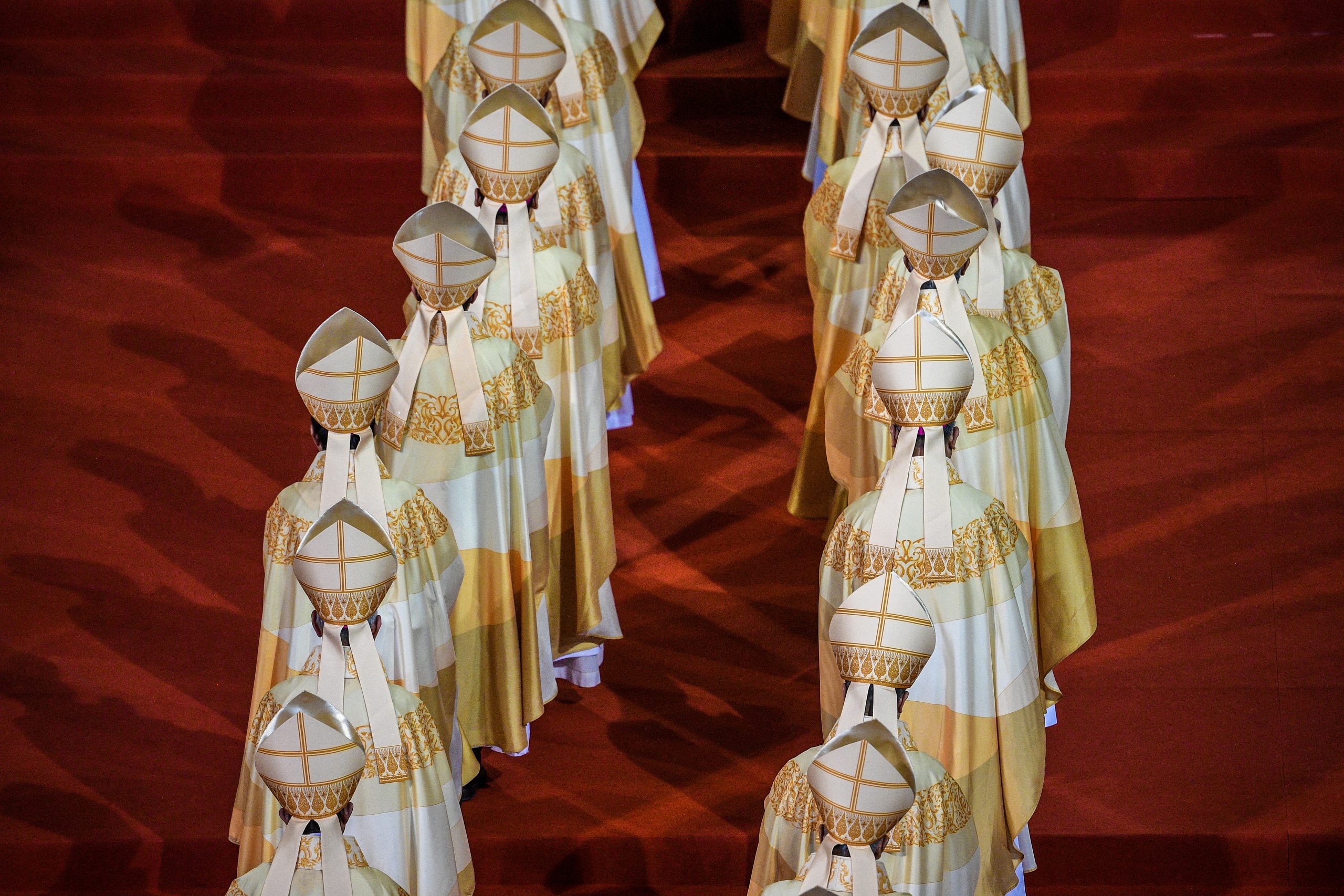
The Catholic Bishops’ Conference of Thailand has established a national committee for the protection of minors and vulnerable individuals, reinforcing the Church’s commitment to safeguarding human dignity and ensuring justice across its institutions.
In a statement issued April 28 and signed by Archbishop Francis Xavier Vira Arpondratana, president of the conference, the bishops underscored the Church’s firm resolve to prevent and address sexual abuse.
The statement emphasized that all efforts are grounded in respect for the inherent dignity and rights of every person, particularly minors and those in vulnerable situations.
“The Church responds to these challenges concretely and effectively,” the statement said, “through the cooperation of all personnel, to create a safe environment for minors and vulnerable individuals.”
A national structure for safeguarding
The newly appointed committee is tasked with developing safeguarding guidelines, establishing operational frameworks and providing advisory support to Church institutions nationwide.
It will also collaborate closely with the Pontifical Commission for the Protection of Minors to ensure alignment with universal Church standards.
The committee is chaired by Bishop Silvio Siripong Charatsri and comprises 10 members, including four priests, two religious sisters and four lay leaders drawn from dioceses across Thailand, reflecting a collaborative, Churchwide approach to safeguarding.
Among its members is Sr. Marie-Agnes Suwanna Buasap of the Sisters of St. Paul of Chartres, a nationally recognized advocate against human trafficking. She received a national award in Bangkok last year for her grassroots efforts, particularly among vulnerable hill tribe communities in northern Thailand.
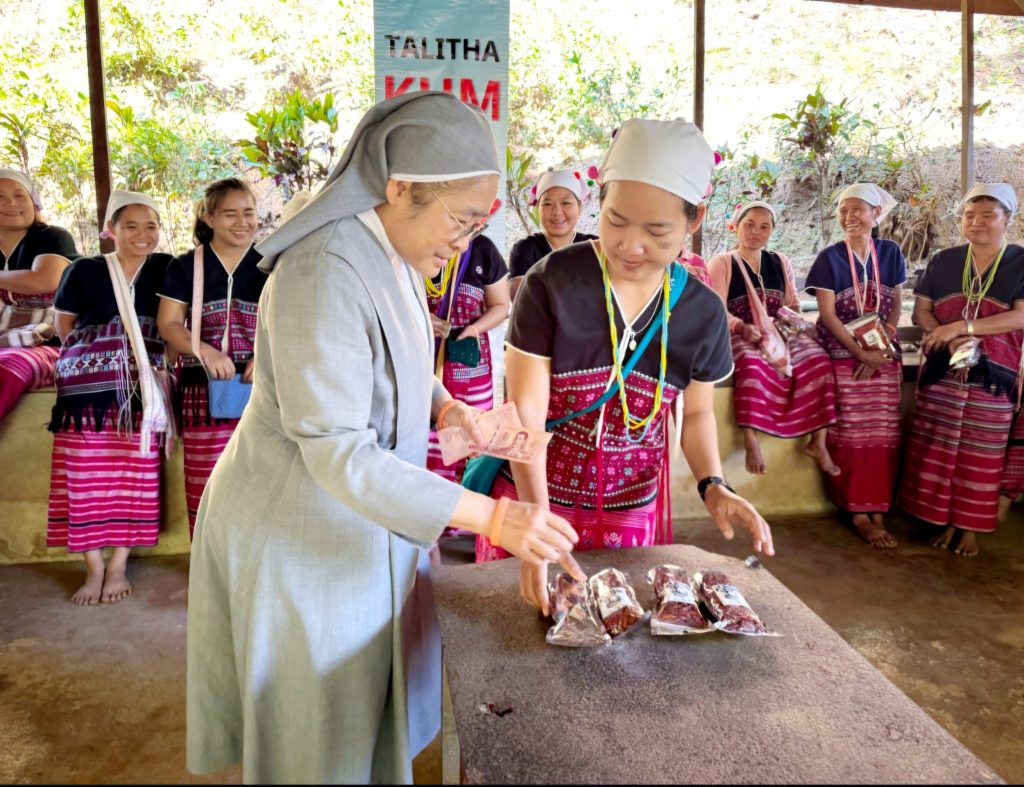
Religious women at the frontlines
Observers note that religious women continue to play a critical role in combating human trafficking globally.
Their presence in remote and underserved areas, coupled with deep community trust, enables them to reach populations often beyond the scope of formal institutions. Their work is widely regarded as essential in prevention, rescue and rehabilitation efforts.
According to the United Nations Office on Drugs and Crime Global Report on Trafficking in Persons 2024, detected child trafficking victims rose 31% between 2019 and 2022, with girls comprising 38% of detected victims, predominantly for sexual exploitation.
Global Church efforts and Vatican collaboration
The initiative aligns with broader efforts led by the Pontifical Commission for the Protection of Minors, a Vatican advisory body established by Pope Francis in 2014.
The commission was integrated into the Dicastery for the Doctrine of the Faith in 2022 and continues to guide the global Church in safeguarding practices.
Under the leadership of Archbishop Thibault Verny, who has served as president since July 2025, the commission develops universal guidelines, promotes accountability, and supports outreach to survivors.
Key initiatives include the “Memorare” program, which strengthens safeguarding capacity in local churches, and the Universal Guidelines Framework aimed at standardizing abuse prevention policies worldwide.
The commission recently concluded its spring assembly after five days of reflection and planning, reaffirming that safeguarding remains central to the Church’s mission.
Participants from across the globe focused on improving engagement with victims and survivors, enhancing global standards, and strengthening collaboration at every level of ecclesial life.
At the opening session, members expressed “deep gratitude” to Pope Leo XIV for his leadership in upholding the protection of minors and vulnerable persons as a core priority of the Church.
Strengthening accountability and local implementation
The commission continues to emphasize the responsibility of local Church leaders in implementing safeguarding measures effectively.
It supports bishops and religious superiors through policy reviews conducted during ad limina visits or at the request of episcopal conferences and regional groups.
It has also committed to enhancing standardized data-sharing systems to improve transparency, accountability, and coordinated responses to safeguarding concerns.
With the establishment of the national committee, the Catholic Church in Thailand signals a strengthened, proactive approach, working in unity with the universal Church to ensure that every child and vulnerable person is protected, respected, and safe.