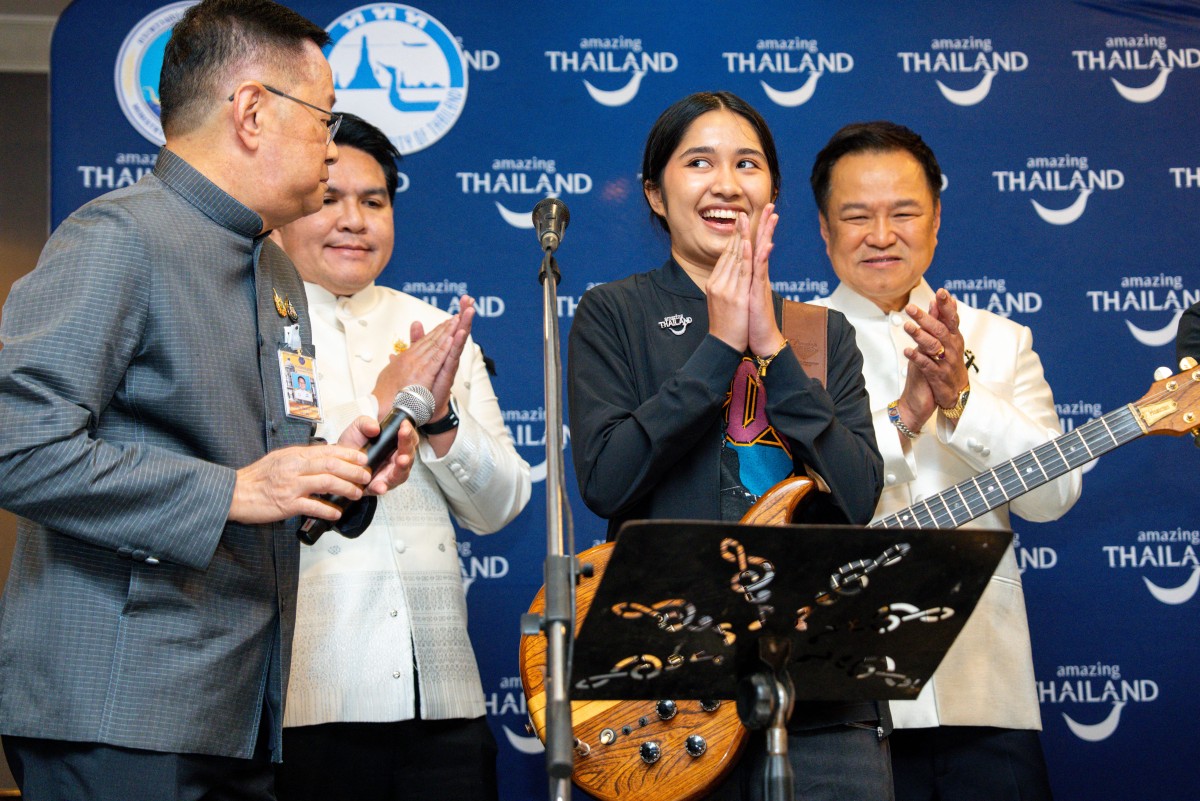
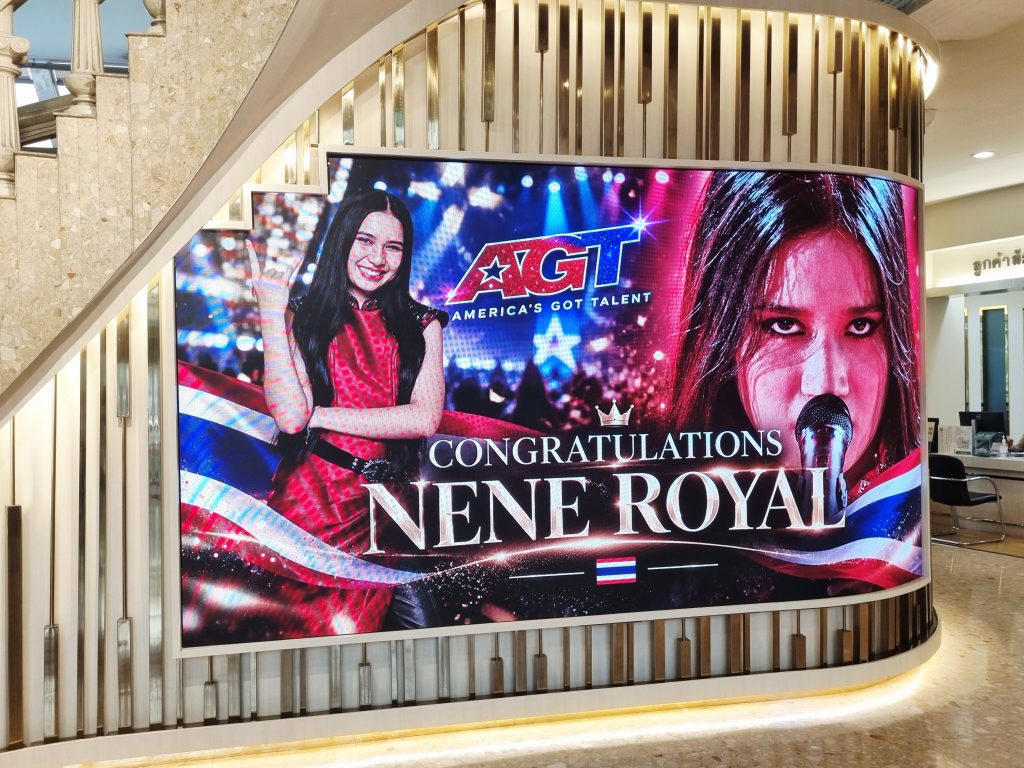
When 16-year-old Rattikarn “Praew” Amloy—known globally as Nene Royal—was crowned the Season 21 champion of America’s Got Talent on September 23, news feeds across the world erupted in celebration.
She made history as the first Thai contestant to win the coveted title, captivating millions with her powerful vocals and expressive guitar performances.
From a seven-year-old girl learning chords in Phuket to a rising global icon, Nene’s triumph feels like the ultimate artistic fairy tale.
Yet, as applause echoes across international headlines, a vital question emerges for parents and educators: What is the true lesson behind her historic journey?
To Dr. Seri Phongphit, an acclaimed Thai Catholic philosopher, social development scholar, and founder of Life University, Nene’s victory offers something far deeper than a blueprint for stardom. It is a profound masterclass in authentic human growth—and a gentle warning to adults who might misinterpret her success.
The Risk of the “Wrong Lesson”
In the wake of Nene’s crowning moment, a familiar pattern has already begun: parents across Thailand and beyond are contemplating enrolling their children in music academies, hoping to cultivate the next prodigy.
“If parents across the country rush to enroll their children in guitar lessons hoping to create the ‘next Nene,’ we might actually be learning the wrong lesson entirely,” Dr. Seri cautions.
In a world driven by metrics and standardized outcomes, true education must anchor itself in the human dignity of every child. “Don’t force the child,” Dr. Seri reflects. “If they enjoy it and learn happily, keep supporting them. But don’t impose your own goals on them; that leads to stress and a personal crisis. The key is allowing the child to be themselves.”
What captivated international audiences was not a robotic, perfectly drilled performance. Nene did not take the stage as a young artist trying to mimic Western icons for foreign judges; she stepped forward simply as Nene. Her voice, her rhythm, and her wholehearted presence reflected an undivided interior life—a soul pouring itself into its craft.
Art as a Bridge of Human Connection
For Dr. Seri, true artistic expression transcends mere technical mastery.
“Art isn’t merely about making something beautiful, playing correctly, or performing skillfully. Those are all just tools. Art truly begins when one human being pours their own life into what they are doing, and another human being can receive that and turn it into their own feeling.”
This deep interior commitment—what Dr. Seri calls an “artistic soul”—is precisely what moved the judges and millions of viewers worldwide before their minds could even analyze her performance.
When an individual engages the world with authenticity, their work becomes a testimony of grace. We realize that we are not born solely to discover what we are capable of doing, but to discern whether we have a gift to offer the world.

Curiosity: The First Sign of Potential
Rather than asking, “How do I turn my child into a genius?” Dr. Seri suggests a more vital question: “How can we help each child discover what they are good at, what they love, and what they want to become?”
The answer begins not with rigid instruction, but with attentive listening.
Children enter the world filled with wonder, asking endless questions: “Why is the sky blue?” “Why do people die?” “Why do I have to go to school?” These inquiry-filled moments are not idle distractions; they are the early gateways to a child’s inner vocation.
“The most important thing parents can do during the early stages of a child’s life is not to rush to discover their talent, but rather to observe what they are asking about,” Dr. Seri explains. A persistent line of questioning about animals, machinery, music, or stars is often the first visible sprout of human potential.
When adults brush off these questions with impatience or dismissive answers like “That’s just how it is,” children risk learning a dangerous lesson: that curiosity is a nuisance.
Over time, wonder gives way to conformity, and the innate desire to learn slowly fades. True education must guard against this loss, protecting the child’s natural wonder rather than flattening it under the weight of standardized expectations.
Finding Each Child’s “Guitar”
Nene Royal’s journey to the top of the world stage is an inspiring victory for Thailand and an unforgettable moment in contemporary culture. Yet, her ultimate gift to educators and parents lies in the example of her freedom—the reality that she was allowed to discover who she truly was and develop that gift to its absolute fullness.
“The lesson to be drawn from Nene’s story is not ‘My child must learn to play the guitar,'” Dr. Seri reflects. “It is, ‘I must help my child discover what their guitar is.'”
For one child, that instrument may indeed be music. For another, it may be mathematics, agriculture, culinary arts, robotics, or caring for those in need.
When parents and teachers accompany young people with patience, nurturing their curiosity rather than imposing artificial ambitions, they offer them the space to flourish—turning an ordinary life into an extraordinary masterpiece.