Human Rights Watch (HRW) has urged Philippine President Ferdinand Marcos Jr. to prevent the Association of Southeast Asian Nations (ASEAN) from recognizing Myanmar’s military government following disputed elections, warning against legitimizing military rule amid continuing human rights abuses.
The appeal comes ahead of the Nov. 15-17 ASEAN and East Asia summits in the Philippines, where regional leaders and international partners are expected to address Myanmar’s political and humanitarian crisis.
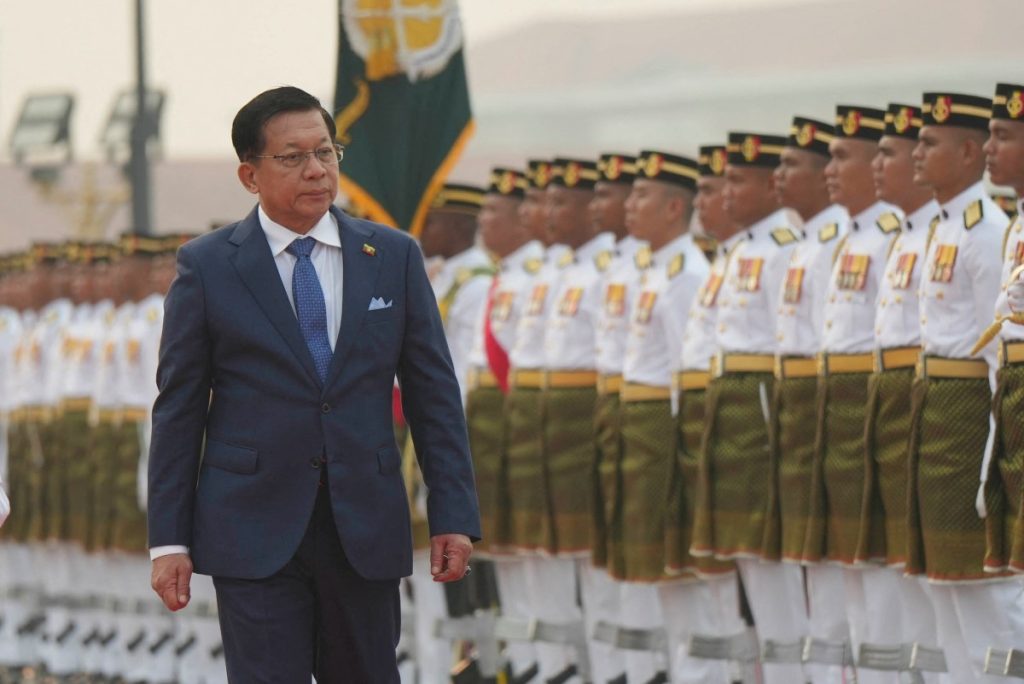
In a letter to Marcos, who chairs ASEAN, the rights group called on the regional bloc not to recognize or endorse elections held earlier this year that resulted in military leader Min Aung Hlaing assuming Myanmar’s presidency.
HRW described the elections as a sham and urged ASEAN to maintain restrictions on junta officials representing Myanmar at regional meetings.
The group said several governments in Southeast Asia and neighboring countries have hosted Min Aung Hlaing in recent months despite the military government’s rejection of ASEAN’s calls to address human rights and humanitarian concerns.
The Philippine government confirmed Nov. 11 that Min Aung Hlaing would not attend the summit.
“ASEAN could play an important role in bringing a stop to Myanmar military abuses,” said John Sifton, Asia advocacy director at HRW.
“Governments should be increasing pressure on the junta to end its attacks on civilians, lift restrictions on humanitarian aid, and begin credible dialogues about transitioning to civilian rule,” he added.
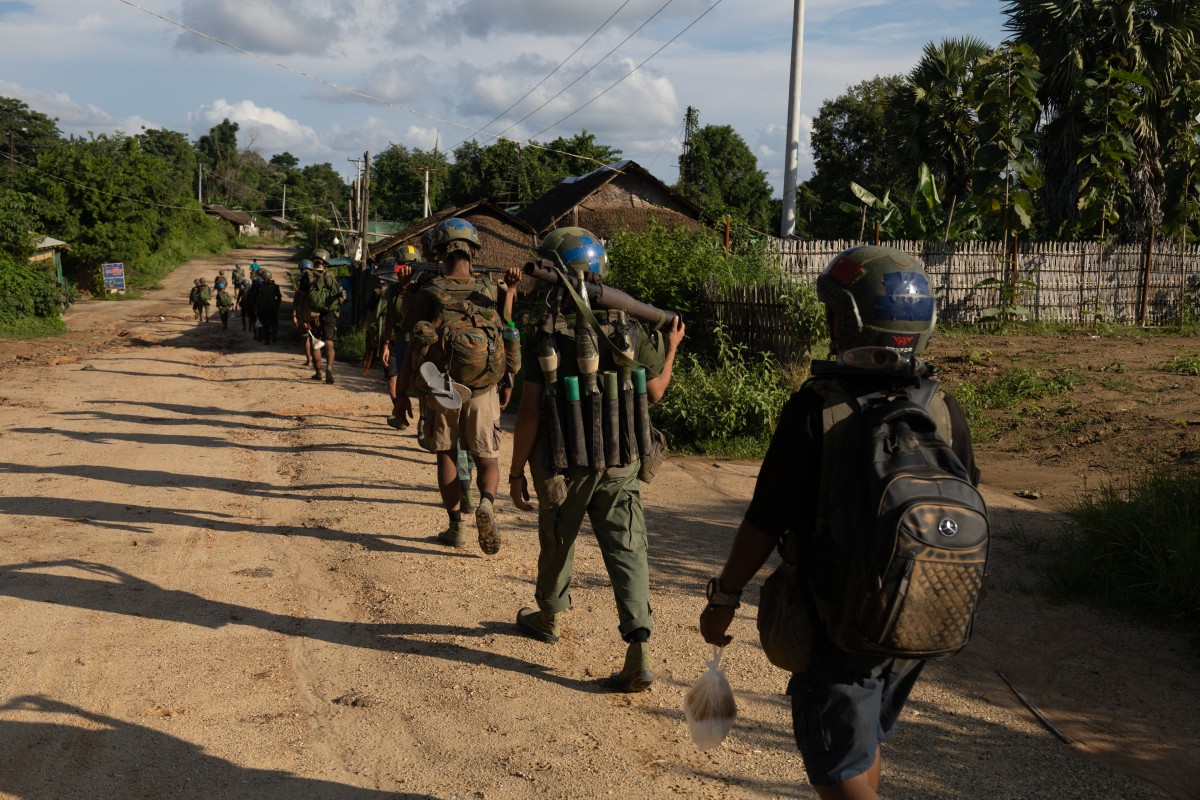
Myanmar has been gripped by armed conflict since the military seized power in February 2021, prompting widespread resistance and a crackdown on opponents of military rule.
HRW said junta authorities have arrested more than 32,000 people for opposing military rule, while at least 2,300 have reportedly died in custody.
The group said detainees have faced torture and other forms of ill-treatment.
More than 6,600 of those arrested have been women. HRW said it recently documented sexual violence against women detainees and the denial of prenatal and obstetric medical care, sometimes with fatal consequences.
The rights group said Min Aung Hlaing, who commanded Myanmar’s armed forces before and after the coup, oversaw military operations involving war crimes and crimes against humanity.
The ASEAN meetings will take place days before the International Court of Justice (ICJ) in The Hague is scheduled to deliver its judgment Nov. 19 in a case brought by Gambia accusing Myanmar of violating the Genocide Convention.
The case concerns the military’s 2017 campaign against ethnic Rohingya in northern Rakhine State, which involved massacres, rape and arson.
Min Aung Hlaing oversaw the military operations during that period.
The International Criminal Court (ICC), which investigates individual criminal responsibility for international crimes, is also examining alleged atrocities committed during the campaign.
In November 2024, the ICC prosecutor requested an arrest warrant for Min Aung Hlaing over alleged crimes against humanity involving the deportation and persecution of Rohingya. Judges have yet to issue a public decision on the request.
The call for stronger international pressure follows an appeal by Cardinal Charles Maung Bo, archbishop of Yangon, for Myanmar’s military, resistance groups and ethnic organizations to pursue inclusive peace negotiations.
Speaking at an interreligious prayer gathering in Naypyitaw on Nov. 3, Bo urged opposing parties to abandon violence and seek a negotiated settlement that protects civilians and addresses longstanding grievances.
“Please choose the table of dialogue over the battlefield. Choose negotiation over destruction. Choose the difficult work of reconciliation over the seemingly easier path of retaliation,” said Cardinal Bo.
The gathering brought together more than 700 people from different religious communities.
The prelate warned that negotiations must recognize the suffering of victims and provide avenues for justice and accountability.
“Peace does not mean abandoning justice. Peace does not mean silencing the suffering of victims. Peace does not mean ignoring legitimate grievances or pretending that everything is well,” he said.
The cardinal also called for humanitarian access, local ceasefires and mediation to reduce violence and build trust among opposing groups.
HRW urged ASEAN leaders and their international partners to prioritize civilian protection, humanitarian assistance and the rights of Myanmar nationals who have fled to neighboring countries.
The group called for tougher measures to compel the military government to end abuses and engage in negotiations toward civilian rule.
“Concerned governments need to undertake tougher measures to pressure and compel Myanmar’s junta to stop committing abuses and engage in real dialogue,” Sifton said.