True peace is rarely forged in isolation, nor is it created solely through grand political declarations. More often, it takes root in the quiet courage of human connection—in the willingness of diverse souls to share a table, cross an ocean, and find common ground across deep cultural divides.
From August 21 to 25, the historic Stockholm Concert Hall and the open waters of the Baltic Sea served as the backdrop for the World Peace Award 2026.
Organized by the Union of Thai Sangha of Europe alongside the Buddharam Temple and the Committee for the World Peace Award in Sweden, the international gathering convened global leaders, faith communities, and peace advocates under a resonant imperative: “Peace Within Us Will Lead to Peace Between Us.”
The Courage of Shared Horizons
Addressing the fundamental challenges of a fractured world, organizers established a deliberate framework for the assembly.
In an era marked by ideological division, the conference challenged delegates to look beyond political and religious boundaries to confront a shared human question: How can we build a culture of peace when we do not always agree about the world around us?
To foster genuine exchange, the program introduced an intentional structure. Invited speakers were allotted precisely five minutes to present a singular reflection, experience, or question.
Rather than seeking exhaustive arguments or total ideological consensus, the short presentations aimed to lay essential thoughts upon the table, opening the floor for active listening, honest dialogue, and mutual understanding.
At the core of the proceedings was the understanding that interfaith dialogue offers a unique path forward. By calling individuals to transcend immediate self-interest, religious and philosophical traditions invite humanity to place its differences within a larger, unified horizon.
“A Culture of Peace cannot be created by one organization, one political movement, or one tradition. It grows through the way we meet one another, how we handle our differences, and the choices we make about the world we share,” the organizers stated.
Honoring Quiet Devotion and Moral Leadership
Among the prominent highlights of the conference was the presentation of the World Peace Award 2026 to Venerable Bhikkhu Paññākāra, leader of the global Walk for Peace movement.
The international honor recognizes his long-standing commitment to mindfulness, humanitarian service, and intercultural dialogue.
Since 2017, Venerable Bhikkhu Paññākāra’s journey has spanned nations including the United States, Canada, Sri Lanka, Thailand, India, and Nepal.
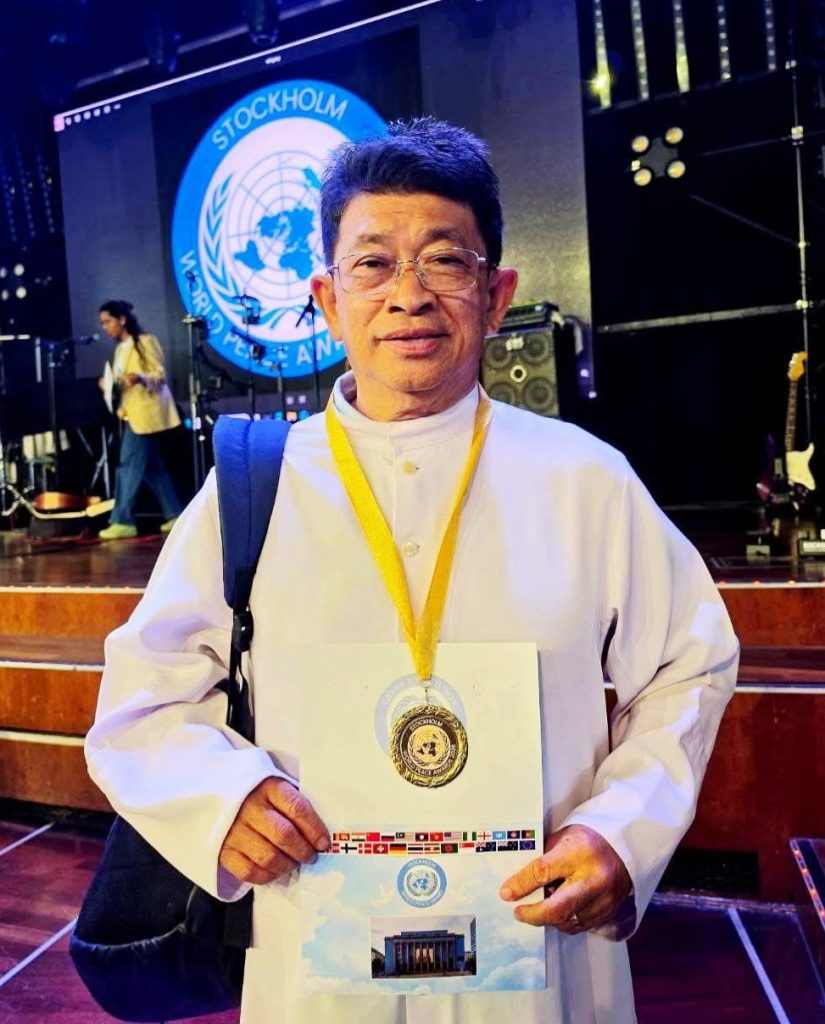
Alongside the peace conference, artistic excellence in advocacy was recognized through the Alfred Fried Peace Medal, awarded to imagery capturing the essence of human solidarity, accompanied by a 6,000-euro prize for the Peace Image of the Year.
Faiths Aligned on the Ship of Friendship
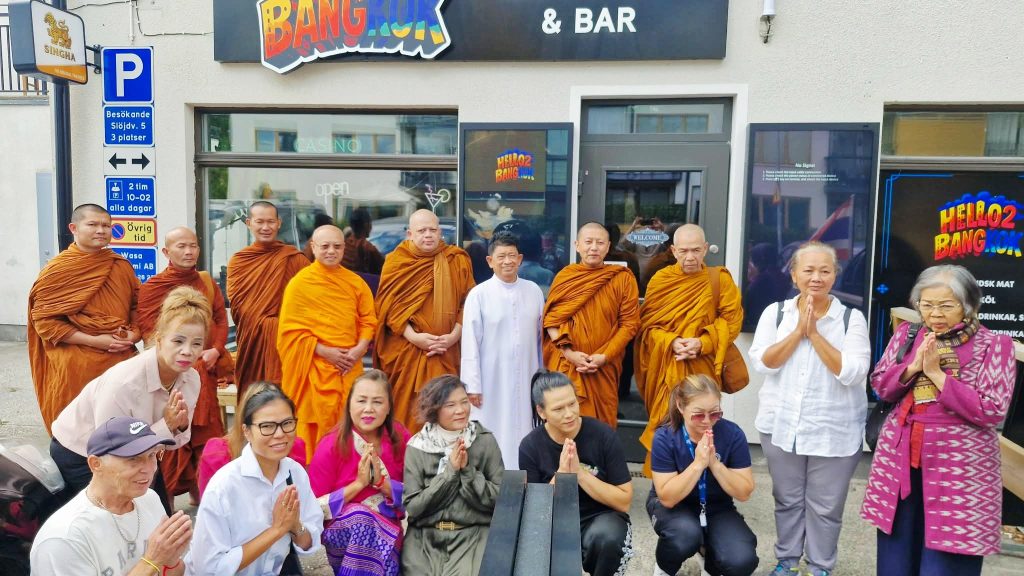
As the formal conference in Stockholm concluded, the program transitioned to its secondary phase: a journey across the Baltic Sea toward Tallinn, Estonia. On the evening of August 24, aboard the event vessel, the gathering transformed into an intimate celebration of faith, culture, and shared purpose.
The evening was marked by a rare moment of spiritual harmony, as ancient Buddhist chants were followed directly by Christian blessings. Fr. Rangsiphol Plianphan, a Catholic priest from the Diocese of Nakhon Sawan in Thailand and a recipient of the Alfred Fried Peace Medal, reflected on the profound symbolism of the shared worship.
Fr. Rangsiphol shared, “The image of prayer and blessings shared on the same boat reflects that even though we have different religious beliefs and practices, we all share a fundamental desire: to see world peace, happy families, and people loving and respecting each other.”
Drawing from Christian tradition, Fr. Rangsiphol highlighted that true greatness is found not in accolades, but in humble service to others, recalling the Beatitude: “Blessed are the peacemakers, for they will be called children of God.”
A Lasting Legacy Across the Sea
Following the solemn prayers and medal presentations, the vessel’s hall was filled with music, traditional attire, and international cultural performances. Delegates from dozens of nations shared songs and dances, demonstrating that linguistic and cultural differences present no barrier to mutual joy and respect.
As the ship anchored in Tallinn, bringing the five-day summit to a close, the participants left with more than awards and memories. They departed with a renewed conviction that peace is an ongoing practice—one that begins with small daily acts of forgiveness, active listening, and a shared commitment to walk forward together on the earth we share.