The Catholic Church in Thailand and UNICEF have begun formal talks to strengthen child protection systems, as persistent gaps in education, care, and safeguarding leave many children at risk.
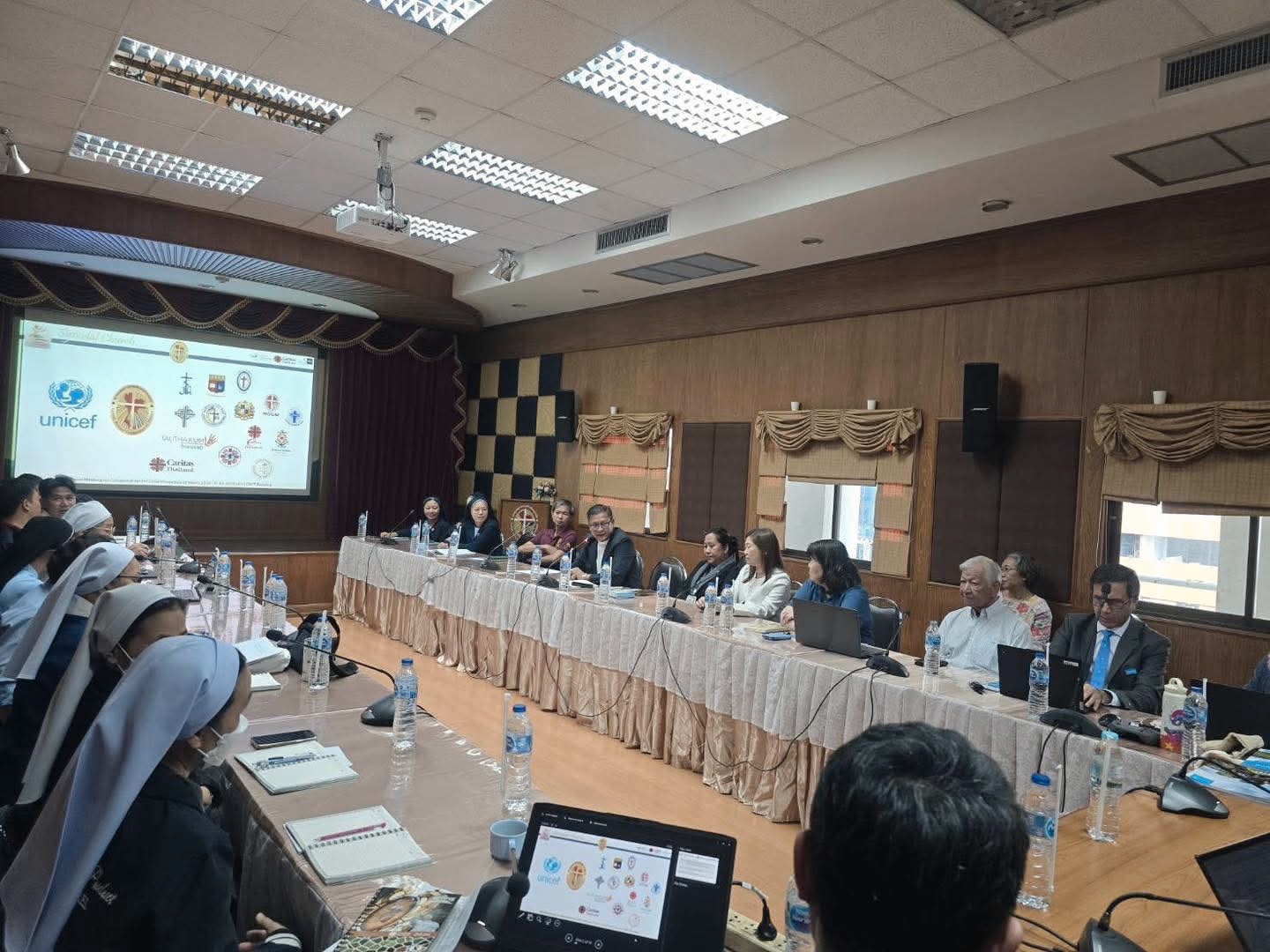
The meeting took place on Thursday, March 12, at the Catholic Bishops’ Conference of Thailand (CBCT) conference hall in Bangkok.
It marked the first formal discussion between the Thai Catholic Church and the United Nations children’s agency on strengthening cooperation in safeguarding children.
The dialogue comes as child protection challenges persist even in middle-income countries like Thailand, where disparities in education, family support, and access to services continue to affect the most vulnerable.
Church-run schools, social programs, and parish networks remain key actors at the grassroots, positioning the Catholic Church as a critical partner in efforts to strengthen safeguarding systems alongside state and international agencies.
Participants included representatives from the Association of Teachers in Catholic Schools, Church-run social service organizations, and Catholic partners engaged in child welfare initiatives. The UNICEF delegation was led by its Thailand country representative, Ken Legins.
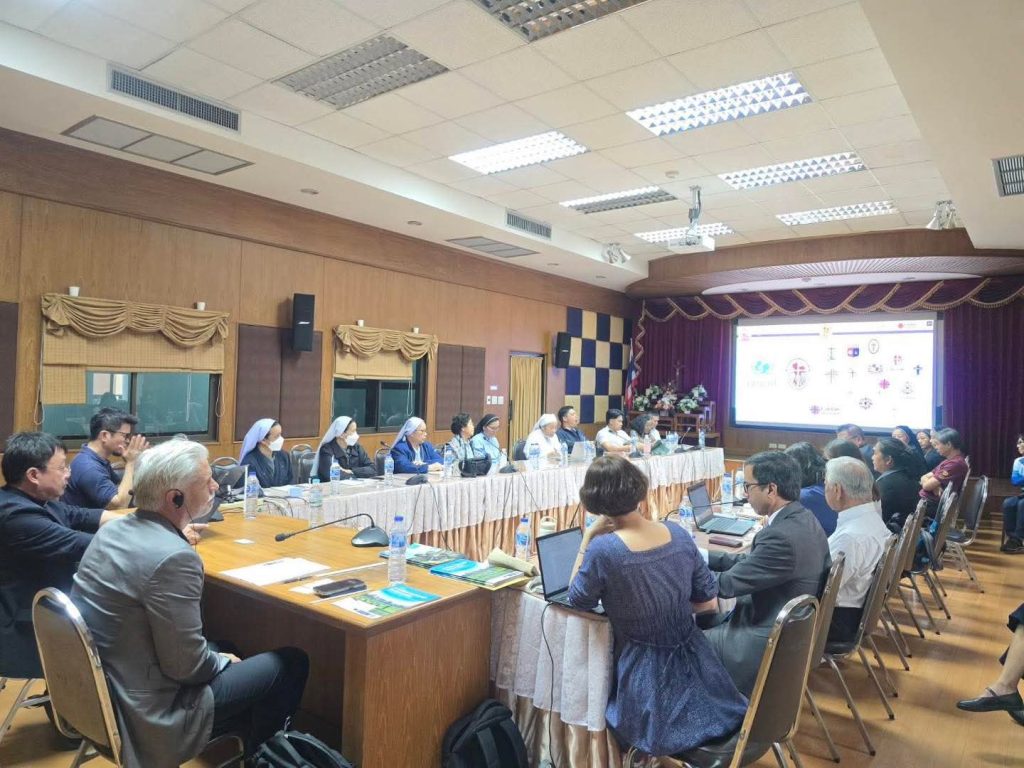
Photo credit: Catholic Bishops’ Conference of Thailand
The dialogue opened with welcome remarks by Father Suwat Luangsaardt, deputy secretary-general of the CBCT, who highlighted the Church’s long-standing commitment to caring for children, especially those facing poverty and social vulnerability.
During the meeting, Catholic organizations presented their ongoing initiatives to support and protect children in various parts of the country.
Many religious congregations and Church agencies operate schools, child development programs, and social outreach projects that provide education, shelter, and pastoral care for disadvantaged youth.
Participants also shared experiences from grassroots ministries that work closely with marginalized families, migrant communities, and children at risk of neglect or exploitation.
Founded in 1946, UNICEF works in more than 190 countries and territories to promote the rights and well-being of children. Its global mission prioritizes the most vulnerable and marginalized children, particularly those living in poverty or affected by conflict, disasters, or disability.
According to UNICEF data, challenges remain significant even in middle-income countries such as Thailand.
More than 64 percent of children aged five and under have fewer than three children’s books at home, limiting early learning opportunities, while about one in four primary school-age children are not regularly attending school—conditions that are often more severe among the poorest families.
Globally, UNICEF estimates that over 400 million children live in areas affected by war and conflict. In such situations, the organization provides emergency assistance, including therapeutic food, medical supplies, and safe water, while also working to protect children from violence, exploitation, and abuse.
The issue of protecting children has also drawn attention from the universal Church.
During his General Audience last week, Pope Leo XIV underscored the spiritual gravity of this mission, calling for renewed prayers for peace in Iran and the broader Middle East.
The pontiff specifically lamented the “innocent children” who remain the primary victims of geopolitical instability—a sentiment that echoed throughout the Bangkok conference hall as a mandate for local action.
Against this global backdrop, the Bangkok meeting focused on practical ways the Church in Thailand and UNICEF could cooperate more closely.
Discussions explored strengthening child protection policies within Catholic institutions so they align with national child safeguarding standards.
Participants also highlighted the importance of promoting family-based care models that support children within their communities rather than institutional settings.
Other proposals included strengthening families and alternative caregiving systems, as well as improving coordination and referral mechanisms between Church-run services and government child protection agencies.
UNICEF representatives expressed appreciation for the extensive grassroots presence of Catholic institutions, particularly schools, social service centers, and parish networks that serve communities across the country.
Such networks, they noted, could play an important role in identifying children at risk and connecting them with appropriate services.
At the conclusion of the meeting, Father Suwat summarized the key points of discussion and thanked participants for their active engagement and sharing of experiences.
He expressed hope that the dialogue would lead to stronger and more sustained cooperation between the Catholic Church in Thailand and UNICEF in building a more effective child protection system.
“By working together,” he said, “we can better safeguard the dignity, safety, and future of every child, especially those who are most vulnerable.”