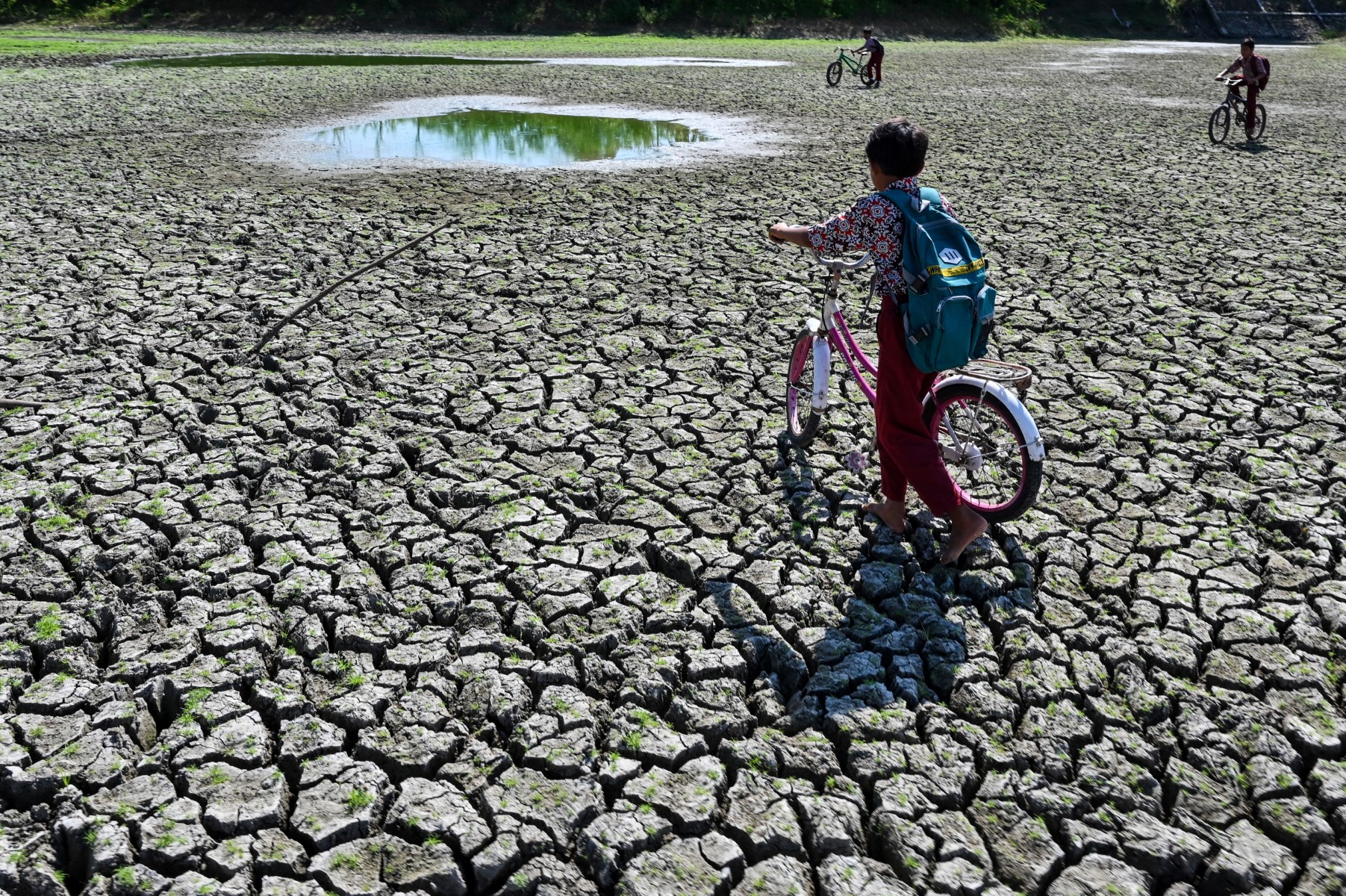
About 190 million children across Asia and the Pacific could face unusually wet or dry conditions from October to December as El Niño intensifies drought, flooding, food insecurity, and health risks across the region, United Nations agencies warned.
The children are among more than 347 million in nearly 100 countries and territories expected to be exposed to unusually dry or wet conditions during the period, according to an analysis by the United Nations Children’s Fund.
UNICEF Executive Director Catherine Russell said, “For children, El Niño is far more than a weather pattern. It can mean increased displacement, malnutrition, water shortages and disease outbreaks. Children are also at risk of schools closing, while families could experience added financial hardship.”
The 2026-27 El Niño is forecast to become one of the strongest on record, threatening to intensify drought, floods and other weather extremes in countries already facing food insecurity, displacement and economic pressures.
UNICEF identified Colombia, Fiji, Papua New Guinea and the Philippines among countries expected to experience drier conditions that could lead to drought and water scarcity, increasing displacement and worsening acute malnutrition.
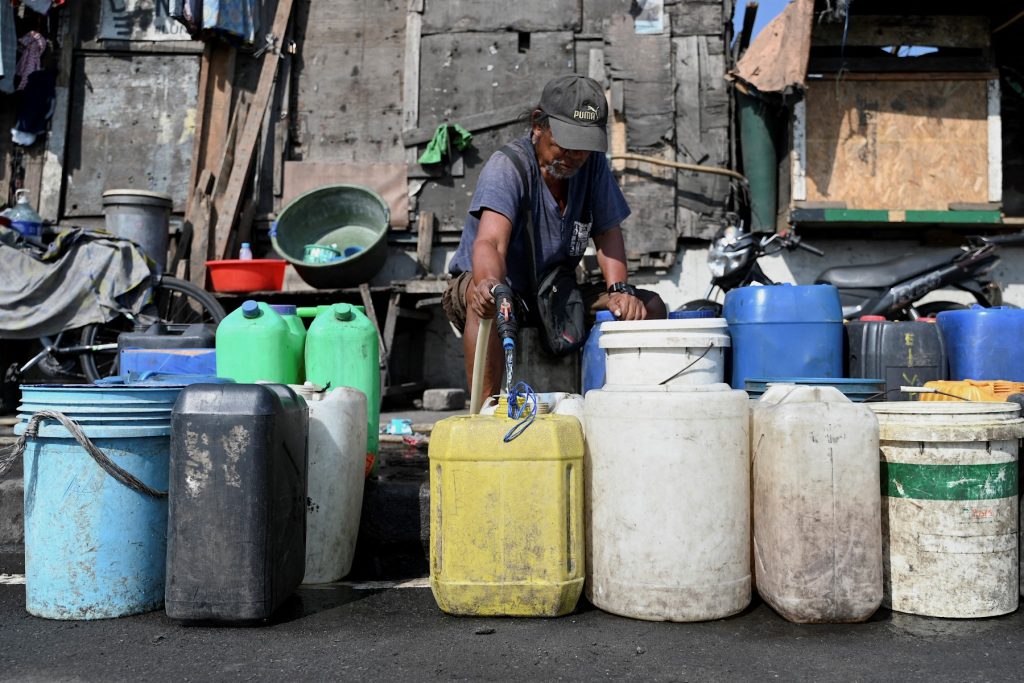
In Papua New Guinea, the effects are already being felt.
Water sources are drying up, crops are failing and food prices are rising months before the largest impacts on agriculture and food security are expected.
An estimated 1.2 million people require direct food relief as communities face water shortages, crop losses, dwindling food reserves and higher prices. Schools have also been disrupted, while concerns are growing over health, nutrition and bushfires.
El Niño conditions have been present in Papua New Guinea since mid-2026 and are expected to peak between October and December.
The government declared the event in June, established a dedicated task force and approved a $112 million supplementary budget.
In September, the Niño 3.4 index, a measure of sea surface temperatures in the tropical Pacific used to track El Niño, surpassed those recorded during previous El Niño events, including 1997 and 2015.
While parts of the Pacific face drought, other regions are bracing for heavier rainfall.
Across the Greater Horn of Africa, wetter-than-normal conditions could trigger river and flash flooding, increase the spread of waterborne diseases and disrupt schooling.
Children in crisis and conflict-affected countries such as Afghanistan and Chad face added risks as El Niño worsens hunger and malnutrition. In the wider region, including Yemen and Sudan, displacement and conflict are also making it harder for children to access essential services.
The World Food Programme urged countries across Asia and the Pacific to strengthen social protection systems that can expand rapidly when droughts, floods or economic shocks threaten household food security.
WFP Regional Director for Asia and the Pacific Samir Wanmali said, “A flood, drought, or sudden economic shock can wipe out a family’s progress in a matter of days. Social protection systems that are inclusive, nutrition-sensitive and ready to expand during a crisis can prevent a temporary shock from becoming a lasting setback.”
UNICEF said 1.1 billion children, nearly half of the world’s children, are already exposed to at least three overlapping climate-related hazards, including drought, extreme heat and floods.
The agency warned that worsening extreme weather could also increase the risks of family separation, violence, exploitation and child marriage.
The forecasts give governments time to act before some of the worst impacts take hold.
Every $1 invested in disaster risk reduction and prevention can save up to $15 in recovery costs, according to UNICEF, yet less than 1 percent of humanitarian funding currently goes to anticipatory action.
The UN Economic and Social Commission for Asia and the Pacific pointed to the 2015-16 El Niño as a warning of how climate extremes can cascade through economies and societies.
More than 70 percent of Southeast Asia’s land area experienced drought during that episode, exposing more than 200 million people to severe drought at its peak.
The latest El Niño is unfolding as governments face tighter finances, elevated debt, persistent economic uncertainty and supply chain concerns, potentially reducing the ability of governments and households to absorb another shock.
Climate change is also raising the baseline risk. Higher temperatures accelerate moisture loss from soil and vegetation, potentially intensifying drought when rainfall falls short.
Governments face the challenge of preparing for both extremes, from water shortages and crop losses to intense rainfall, flooding and landslides.
For Papua New Guinea, however, the warning period is already giving way to impact, with water shortages, damaged crops and rising food prices offering an early glimpse of what an exceptional El Niño could mean across the region.