
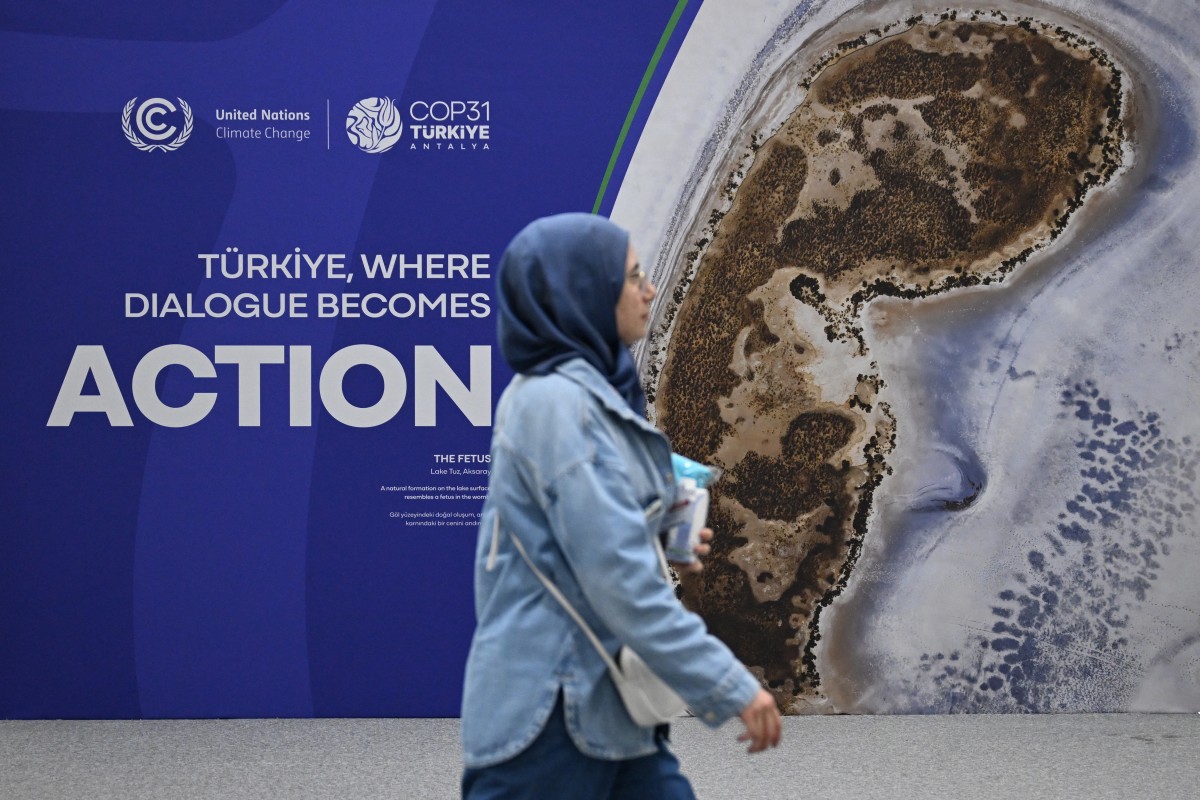
A global coalition has urged governments attending the COP31 climate summit in Türkiye to protect Indigenous Peoples from human rights abuses, displacement and environmental destruction as demand grows for minerals used in clean energy technologies.
The Asia-Pacific Transition Mineral Accountability Working Group and its allies called for stronger safeguards and greater accountability in mineral supply chains, warning that the shift to renewable energy could expose mining-affected communities to further rights violations.
In a joint appeal issued ahead of the summit in Antalya, the coalition urged negotiators to incorporate the United Nations’ Critical Energy Transition Minerals principles into the Just Transition Work Programme.
The appeal follows the exclusion of explicit provisions on transition mineral governance from the final agreement at COP30 in Belém, Brazil, in 2025. Governments agreed to develop a Just Transition Mechanism and recognized Indigenous Peoples’ rights, but left out specific measures governing mineral extraction.
“If we do not change course at COP31, we will build the clean energy economy of the future on the exact same extractive injustices as the fossil fuel economy of the past,” said Angela Asuncion, Asia-Pacific regional coordinator of the Resource Justice Network.
The coalition wants Indigenous Peoples and mining-affected communities recognized as rights-holders, decision-makers and primary beneficiaries of the energy transition.
It called for protections for Free, Prior and Informed Consent throughout the life of mining projects, including the right to approve proposals, set conditions, withhold consent or withdraw it.
The coalition cited 1,226 allegations of human rights abuses linked to transition mineral mining between 2010 and 2025, including 329 in 2025. It also reported 42 attacks against human rights and environmental defenders in 2025.
The Asia-Pacific region produces more than two-thirds of the world’s nickel and holds 60% of global rare-earth reserves, according to the coalition. These minerals are used in electric vehicles, batteries, and renewable energy infrastructure.
In the Philippines, Beverly Besmanos, national coordinator of Bantay Kita, called for mandatory human rights and environmental due diligence, full transparency and respect for Indigenous Peoples’ consent rights.
“A transition is only just if affected rights-holders and civil society have the power to shape how green economy initiatives are designed and delivered & to hold governments and businesses accountable,” said Besmanos.
The coalition’s background document cited a 2025 Amnesty International report on nickel mining projects in Palawan and Zambales, which it said were approved despite flawed consent processes and missing environmental impact studies.
The coalition also raised concerns over Indonesia’s nickel industry, where mineral processing remains heavily dependent on coal-fired power plants.
“Indonesia’s nickel boom shows that a transition can be fast without being clean or just,” said Aryanto Nugroho, national coordinator of Publish What You Pay Indonesia.
Nugroho said mining permits often lack transparency, while communities near extraction sites bear the burden of pollution without receiving a fair share of the industry’s economic benefits.
The coalition called on governments to phase out coal dependence in mineral supply chains, strengthen corporate accountability, protect workers and ensure that mining-affected communities benefit from mineral development.
It also urged countries with high mineral consumption to reduce demand for newly extracted resources through recycling and greater material efficiency, while supporting a global moratorium on deep-sea mining.
Under its proposals, the Just Transition Mechanism would provide policy guidance, financial and technical support for affected communities, and a direct role for Indigenous Peoples in decisions governing mineral extraction.
The coalition also called for progress toward legally binding international rules on mineral traceability and human rights protections by COP32.